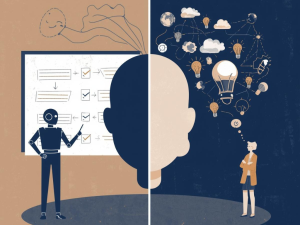
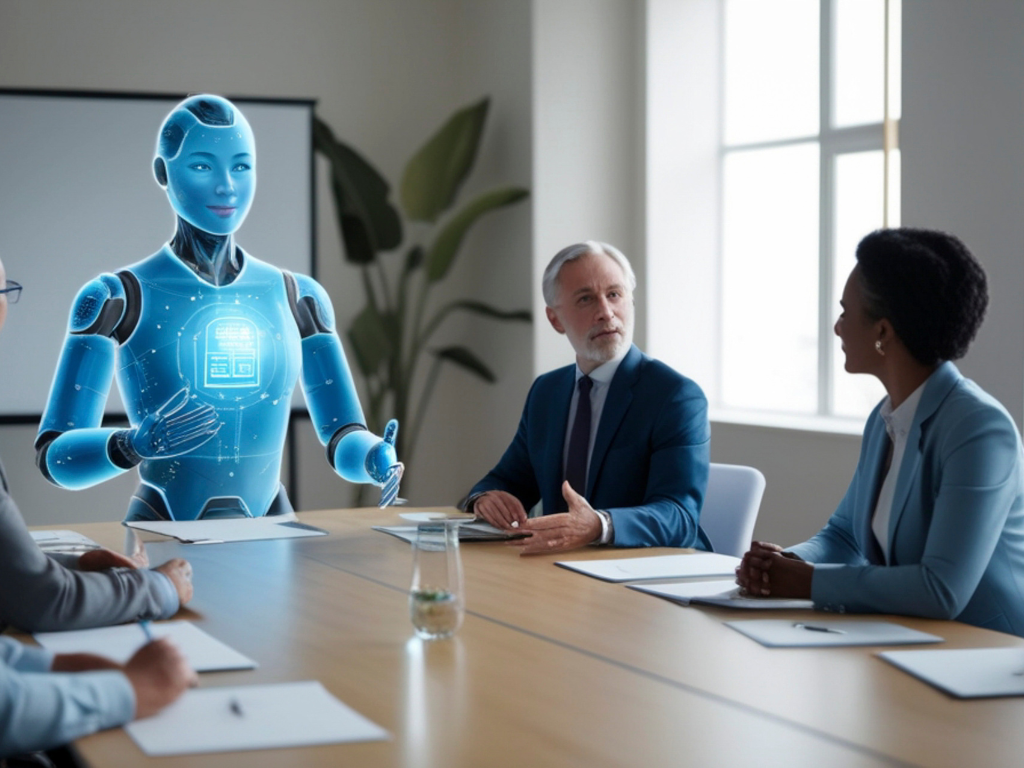
Artificial intelligence is changing how IT work gets done across organizations. Many professionals fear that AI will replace their jobs completely. Headlines often focus on automation and job losses, which increases uncertainty. However, the reality inside most companies is very different. AI is mainly used to support IT teams, not remove them. It takes over repetitive and time-consuming tasks. This allows professionals to focus on more important responsibilities. Human judgment, system understanding, and decision making are still critical.
IT roles are not disappearing, but they are evolving steadily. This shift can feel uncomfortable at first. Yet, it also creates new opportunities for growth. Professionals who adapt gain stronger career stability. Understanding this change helps reduce fear. It also sets the foundation for long-term success in an AI-driven workplace.
Why AI Adoption Is Accelerating Inside Organizations?
Organizations are adopting AI at a much faster pace than before. The primary reason is the need for higher efficiency. Businesses want faster operations with fewer errors. AI tools help automate routine monitoring and analysis tasks. Many enterprise platforms now include built-in AI features. This makes adoption easier and less complex for IT teams. Cost optimization is another strong driver. AI reduces manual effort and improves resource usage. Leadership teams expect IT departments to support growth without adding headcount. AI helps meet these expectations effectively.
As a result, AI is becoming part of daily workflows. It is no longer treated as an experimental technology. This widespread adoption directly influences how IT roles are structured. Understanding these drivers explains why change is happening so quickly.
The Difference Between Job Automation and Job Augmentation
Job automation and job augmentation are often misunderstood. Automation focuses on completing specific tasks without human effort. These tasks are usually repetitive and rule-based. Augmentation works differently. It helps professionals perform their jobs better and faster. In IT roles, AI supports decision making and problem analysis. It does not replace accountability or system ownership. Professionals still design, manage, and validate outcomes. AI simply reduces manual workload. This allows teams to spend more time on planning and improvement.
History shows similar shifts during earlier technology changes. Roles changed, but demand for skilled professionals remained strong. Today, AI follows the same pattern. Understanding this difference helps reduce fear. It also encourages professionals to view AI as a career advantage.
How Core IT Roles Are Changing Day-to-Day ?
- Shift From Manual Monitoring to Smart Oversight: AI now handles continuous system monitoring. IT professionals review alerts and focus on meaningful issues instead of routine checks.
- Faster and Guided Troubleshooting: AI provides insights and probable causes. IT teams validate these suggestions and take informed corrective actions.
- Greater Focus on System Optimization: Less time is spent on repetitive work. More effort goes into improving performance, stability, and scalability.
- Increased Strategic Involvement: IT professionals participate in planning and decision-making. Their role supports business goals more directly.
- Improved Documentation and Reporting: AI helps generate reports automatically. IT teams ensure accuracy and compliance before sharing outcomes.
AI as a Productivity Multiplier for IT Teams
AI is becoming a strong productivity booster for IT teams. It helps teams respond faster to incidents and alerts. Automated analysis highlights issues before they impact users. This reduces downtime and improves service quality. AI also helps correlate data across systems quickly. Tasks that once took hours now take minutes. As a result, IT teams can manage larger environments effectively.
Productivity gains do not reduce the need for professionals. Instead, they increase expectations from IT roles. Teams are now expected to deliver better outcomes consistently. This shift encourages a more proactive approach to system management. Professionals spend less time reacting to problems. They focus more on planning, optimization, and long-term improvements. Over time, this strengthens the value of IT teams within organizations.
The Rising Importance of Human Judgment in AI-Driven Systems
As AI becomes more involved in operations, human judgment becomes more important. AI can analyze patterns and suggest actions. However, it cannot fully understand business context or risk impact. IT professionals must review and validate AI recommendations. They decide which actions are safe to execute. This responsibility increases accountability, not reduces it. In complex environments, exceptions are common. AI struggles with unusual or high-risk scenarios. Humans step in to manage these situations carefully.
Regulatory requirements also demand human oversight. Automated decisions still require approval and documentation. IT professionals ensure systems remain compliant and controlled. Trust in AI systems depends on proper governance. This makes human involvement essential. Rather than replacing roles, AI increases reliance on skilled judgment and experience.
New Responsibilities Emerging Within Existing IT Roles
- Managing AI-Enabled Tools: IT professionals configure and maintain tools that include AI capabilities. This ensures smooth and reliable operations.
- Validating AI Outputs: AI-generated insights must be reviewed. Professionals confirm accuracy before actions are taken.
- Ensuring Data Quality: AI depends on clean and reliable data. IT teams monitor data sources and fix inconsistencies.
- Aligning AI With Policies: Automated processes must follow organizational rules. IT teams ensure governance and compliance are maintained.
- Supporting Cross-Team Understanding: IT professionals explain AI insights to other teams. This helps stakeholders trust and use AI effectively.
Why Are Soft Skills Becoming Core IT Competencies?
Technical skills alone are no longer enough for IT professionals. As AI handles more technical tasks, communication becomes critical. Professionals must explain system behavior and AI outcomes clearly. This helps business teams make informed decisions. Collaboration across departments is also increasing. IT teams now work closely with operations, finance, and leadership. Clear communication reduces misunderstandings and delays. Problem-solving discussions require clarity and confidence. Professionals must translate technical insights into simple language. This builds trust and credibility. Soft skills also support leadership growth. Teams need guidance during periods of change. Professionals who communicate well adapt faster. In an AI-driven environment, human interaction remains a key success factor.
The Shift From Tool Expertise to Platform Understanding
IT roles are moving away from single-tool expertise. Organizations now use connected platforms rather than isolated tools. AI works across systems, not in silos. This requires professionals to understand how platforms interact. Knowing only one tool is no longer enough.
Platform understanding helps IT teams see the bigger picture. They focus on workflows, dependencies, and system impact. This improves decision making and reduces risk. Professionals who think at a platform level adapt faster to change. Over time, this shift creates more resilient IT careers. It also increases long-term value for organizations.
Reskilling and Upskilling: The Real Career Insurance
Continuous learning is now essential for IT professionals. Technology changes faster than before. AI accelerates this pace even more. Skills that were enough yesterday may not be enough tomorrow.
Reskilling helps professionals stay relevant and confident. Upskilling allows them to take on broader responsibilities. Structured learning paths support this transition effectively. Those who invest in learning work better with AI. This approach offers stability and growth. It also reduces fear around future job changes.
How Organizations Are Redefining IT Career Paths?
Organizations are redesigning IT roles to match modern needs. Traditional job boundaries are becoming less rigid. Many roles now combine operations, analysis, and governance. This creates broader responsibility and visibility.
Career growth is no longer based only on technical depth. It also depends on impact and ownership. Professionals who manage systems end to end gain more recognition. This shift creates clearer growth paths. It rewards adaptability and continuous improvement. As a result, IT careers become more dynamic and future-ready.
AI, Compliance, and Risk: Why IT Oversight Still Matters?
- Governance and Control: AI systems must follow organizational rules. IT teams ensure automated actions remain controlled and approved.
- Data Security and Access Management: AI relies on large data sets. IT professionals manage access and prevent misuse or exposure.
- Regulatory and Audit Readiness: Automated systems still require documentation. IT teams support audits and compliance requirements.
- Risk Identification and Mitigation: AI may miss edge cases. IT professionals identify risks and prevent operational issues.
The Long-Term Outlook for IT Careers in an AI-First World
The long-term outlook for IT careers remains stable and positive. AI increases the scale and complexity of digital systems. Organizations need skilled professionals to manage this complexity effectively. Automated systems still require configuration, monitoring, and validation. This ensures reliability and trust. As technology expands, IT expertise becomes more valuable, not less.
Future roles will emphasize adaptability and system-level thinking. Professionals who understand platforms and workflows will stay in demand. Continuous learning will support career longevity. AI will reshape responsibilities, but not eliminate careers. Those who evolve alongside technology will find strong opportunities ahead.
Conclusion: IT Careers Are Transforming, Not Vanishing
AI is changing the nature of IT work across organizations. It removes repetitive tasks and improves efficiency. However, it does not replace accountability or ownership. IT professionals remain responsible for outcomes and decisions. This shift moves roles toward higher-value contributions.
Professionals who adapt benefit the most from this transition. Learning to work with AI builds confidence and relevance. IT careers continue to play a critical role in business success. The future favors those who embrace change. IT roles are not disappearing. They are evolving with purpose and opportunity.
FAQS
Q1. Will AI reduce entry-level IT job opportunities?
AI changes entry-level tasks but does not eliminate opportunities. Many roles now focus on learning systems, tools, and workflows alongside AI.
Q2. What IT skills are most valuable in an AI-driven workplace?
System understanding, problem solving, communication, and platform-level knowledge are increasingly important in AI-enabled environments.
Q3. Do IT professionals need to specialize in AI to stay relevant?
Specializing in AI is not mandatory. Most roles require understanding how AI-enabled tools fit into daily operations.
Q4. How does AI impact IT job security in large organizations?
AI often improves productivity rather than reducing staff. Large organizations still rely on skilled professionals for oversight and control.
Q5. Can AI replace IT decision-making roles in the future?
AI supports decisions but does not replace human judgment. Critical decisions still require experience, context and accountability.