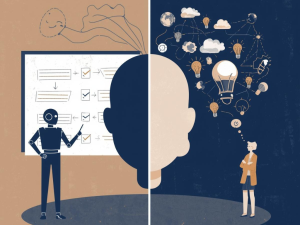

IT generalists are increasingly valued because organizations now require professionals who can navigate complex, multi-technology environments. Unlike narrowly specialized roles, generalists bring versatility and adaptability, allowing them to handle diverse tools, platforms and responsibilities. They can troubleshoot cross-functional issues, integrate cloud, on-premise, and SaaS systems, and provide a “big picture” perspective that helps teams coordinate effectively. This flexibility reduces operational bottlenecks and allows companies to respond faster to changes in technology or business priorities. As a result, IT generalists are no longer seen as jack-of-all-trades; they are strategic assets capable of bridging gaps between specialized teams, guiding projects that span multiple domains, and ensuring continuity in fast-evolving IT landscapes.
How Does the Rapid Pace of Technology Change Favor Generalists?
The technology landscape is evolving faster than ever, with new tools, platforms, and workflows emerging constantly. Deep, narrow expertise in a single domain can become a liability if that skill becomes outdated or replaced by automation. Generalists, on the other hand, maintain broad foundational knowledge that allows them to pivot quickly and learn new technologies as they emerge. Their ability to understand multiple systems and connect different workflows makes them adaptable in environments where the requirements and priorities shift frequently. In addition, generalists can anticipate how changes in one part of the infrastructure affect other components, giving organizations a strategic advantage in planning and deployment. Their versatility not only protects them from skill obsolescence but also positions them as indispensable contributors in dynamic IT teams.
Why Are Integration Skills More Valuable Than Ever?
Modern IT environments are complex ecosystems that blend cloud services, on-premise infrastructure, and third-party applications. Successful operations depend on the seamless integration of these systems. IT generalists excel in bridging these silos because they can understand the interactions between platforms, identify potential bottlenecks and ensure that workflows function smoothly across the organization. Integration skills are especially critical for projects involving multiple teams, as generalists can communicate effectively across domains and coordinate efforts to avoid delays or conflicts. Their holistic perspective allows them to anticipate problems, design flexible solutions, and maintain system stability. Companies increasingly rely on generalists to oversee these integration tasks, as their adaptability and broad technical understanding enable them to manage complex environments more efficiently than narrowly focused specialists.
How Is Automation Shaping IT Roles?
- Automation of Routine Tasks: AI and automated workflows handle repetitive, rules-based tasks, freeing humans for higher-value work.
- Shift Toward Strategic Roles: Professionals now focus on problem-solving, system optimization, and project planning rather than manual operations.
- Demand for Cross-Functional Skills: Automation increases the value of staff who can connect multiple systems and coordinate diverse teams.
- Human Judgment Remains Critical: AI cannot replace decision-making, creativity or contextual understanding areas where generalists excel.
- Career Adaptability: Employees who understand both automated tools and underlying technologies are better positioned for future growth.
Why Are Narrow Specialists Feeling the Squeeze?
Narrow specialists, especially those focused on legacy systems or highly repetitive tasks, are increasingly vulnerable in today’s evolving IT landscape. Their deep expertise in a single domain can become a liability when technologies change rapidly or when AI and automation take over routine work. For example, L1 support roles, manual QA, or legacy system maintenance are increasingly automated, reducing the demand for specialists who only perform narrowly defined tasks. Even when their knowledge is technically strong, their skill set may not transfer easily to emerging technologies, making it harder to pivot into high-impact roles. Organizations are prioritizing flexibility and adaptability, which favors professionals who can handle multiple responsibilities across various technologies.
The risk of obsolescence is compounded by economic pressures and workforce optimization strategies. Companies are seeking to consolidate roles and reduce specialized headcount in favor of versatile employees who can wear multiple hats. Specialists may also face skill gaps if they haven’t updated their expertise to align with hybrid cloud systems, AI integration, and modern infrastructure management. Those who fail to broaden their competencies may find fewer opportunities for advancement, highlighting the importance of continuous learning and cross-functional development to remain competitive in today’s IT market.
How Do Economic Pressures Influence Talent Preferences?
Organizations are increasingly under pressure to optimize operational costs while maintaining agility and innovation. Hiring multiple narrow specialists for every unique technology or platform can be expensive and inefficient, particularly when automation can handle routine tasks. By investing in IT generalists, companies gain versatile employees who can adapt to changing requirements, support multiple systems, and reduce dependency on highly specialized roles. This flexibility allows enterprises to respond more quickly to market demands and technological shifts without needing to hire additional personnel for each new initiative.
Economic uncertainty also drives companies to prioritize talent that offers maximum return on investment. Generalists, with their broad skill sets, can step into multiple roles, handle cross-functional projects, and collaborate effectively across teams. They can integrate emerging technologies, troubleshoot diverse systems, and leverage AI tools to improve operational efficiency. This approach not only reduces hiring and training costs but also enhances resilience by ensuring that knowledge and skills are distributed across versatile employees. In contrast, narrowly focused specialists are often seen as less adaptable and, therefore, less cost-effective in dynamic environments.
What Role Does Human-AI Collaboration Play in IT Careers?
- Augmenting Productivity: AI tools handle repetitive or time-consuming tasks, allowing professionals to focus on strategic problem-solving.
- Enhancing Decision-Making: Generalists use AI-generated insights to make informed decisions across projects and platforms.
- Bridging Skill Gaps: AI can support tasks outside a generalist’s immediate expertise, but human oversight ensures accuracy and context.
- Collaboration Across Teams: Generalists who understand AI workflows can help teams integrate automation effectively.
- Future-Proofing Careers: Professionals skilled in combining AI tools with broad IT knowledge are better prepared for evolving technology landscapes.
What Foundational Skills Do IT Generalists Need?
- Broad Technical Knowledge: Understanding networking, cloud basics, databases and operating systems.
- Integration Expertise: Ability to connect different platforms, tools, and services efficiently.
- Problem-Solving and Critical Thinking: Diagnosing cross-functional issues and proposing solutions quickly.
- Project and Workflow Management: Coordinating multi-team projects and managing timelines.
- Adaptability and Learning Agility: Quickly acquiring new skills as technologies and business requirements evolve.
- Communication Skills: Explaining technical concepts to non-technical stakeholders and collaborating with diverse teams.
How Can IT Specialists Pivot to Stay Relevant?
IT specialists can maintain relevance by broadening their skill sets beyond narrow domains. This includes developing familiarity with multiple platforms, learning automation and AI tools and gaining exposure to hybrid environments. Specialists who cultivate cross-functional capabilities such as cloud integration, cybersecurity awareness and project coordination can transition into generalist or hybrid roles that are less vulnerable to automation.
Professional development also requires proactive engagement with emerging technologies and industry trends. Networking with peers, participating in hands-on training, and pursuing certifications can help specialists anticipate which skills will remain in demand. By combining deep expertise with adaptable knowledge, specialists not only preserve their value but also position themselves for leadership or strategic roles within evolving IT teams. The key is to complement existing specialization with versatile, transferable skills that meet current and future organizational needs.
How Does Adaptability Affect Career Resilience?
Adaptability is critical for IT professionals facing a fast-changing technology landscape. Employees who can quickly learn new tools, adjust to evolving workflows, and integrate emerging technologies are better equipped to navigate organizational shifts. Versatile generalists can take on multiple roles, troubleshoot diverse systems, and respond effectively to unanticipated challenges.
Adaptable professionals also gain career resilience by remaining relevant across projects, teams, and platforms. They are less likely to be sidelined by automation or obsolete technologies, as their skills can transfer to new environments and demands. Organizations value staff who can pivot without extensive retraining, creating opportunities for leadership and cross-functional collaboration. Ultimately, adaptability ensures long-term employability, positioning professionals to thrive amid rapid technological change and evolving business needs.
Are Generalists Better Suited for Leadership Roles?
IT generalists are increasingly recognized as strong candidates for leadership positions because their broad knowledge allows them to see the bigger picture. Unlike specialists who focus on a single domain, generalists can understand multiple systems, workflows, and team responsibilities. This perspective enables them to coordinate cross-functional teams, align technology initiatives with business goals, and anticipate operational challenges before they escalate. Their ability to communicate effectively with both technical and non-technical stakeholders further strengthens their leadership potential. By bridging gaps between specialized teams, generalists provide the strategic oversight required to manage complex projects, make informed decisions, and guide teams through technological transitions, positioning them as essential assets for organizational growth.
How Are Organizations Restructuring Roles Around Versatility?
- Hybrid Roles: Companies are moving away from rigid, single-focus positions to roles that combine multiple responsibilities.
- Emphasis on Adaptability: Professionals who can handle diverse tasks from cloud management to automation are highly valued.
- Knowledge Sharing: Versatile employees help bridge silos, improving collaboration and project handoffs across teams.
- Operational Resilience: Staff capable of stepping into different roles reduce dependency on narrow specialists, ensuring continuity.
- Continuous Learning Culture: Organizations encourage ongoing skill development to keep employees adaptable to emerging technologies.
- Cross-Functional Collaboration: Generalists facilitate communication and coordination between IT, operations, and business teams.
What Does the Future Hold for IT Career Paths?
The future of IT careers increasingly favors professionals who combine foundational knowledge with adaptability and cross-functional skills. While specialization still has value, the demand is shifting toward individuals who can integrate emerging technologies, collaborate across teams, and leverage automation and AI tools effectively. Career paths are becoming less linear, with opportunities arising for generalists to move between infrastructure, cloud operations, security, and project leadership roles. Professionals who continuously update their skills, embrace versatile responsibilities, and maintain a broad understanding of IT ecosystems are best positioned to thrive. Organizations will continue to reward flexibility and problem-solving abilities, making adaptability, continuous learning, and human-AI collaboration central to long-term career resilience and growth.
FAQS
Q1. Can IT generalists work in highly specialized environments?
Yes. Generalists can adapt to specialized teams by connecting different systems and supporting integration, even if they are not deep experts in one niche.
Q2. How quickly can IT specialists pivot to generalist roles?
With focused learning and exposure to multiple platforms, most professionals can broaden their skill set in a few months to take on hybrid responsibilities.
Q3. Are generalist skills valued in small and mid-sized businesses?
Absolutely. Smaller organizations often prefer versatile staff who can handle multiple IT functions efficiently, reducing the need for multiple specialized hires.
Q4. Does AI make specialists less relevant?
AI handles routine and repetitive tasks, but specialists who expand into cross-functional roles or leverage AI tools remain valuable contributors.
Q5. What soft skills complement IT generalist expertise?
Communication, problem-solving, critical thinking, and the ability to collaborate across teams are crucial for generalists to succeed and lead projects effectively