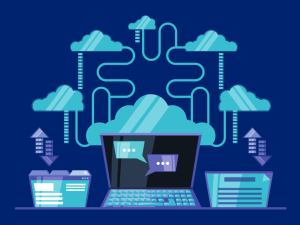
Hybrid work has reshaped how employees access systems and data across locations. As work shifts between offices and homes, traditional security boundaries weaken. As a result, small user mistakes now create larger security risks. Cyber hygiene helps close these gaps through consistent, everyday security habits. Rather than relying only on tools, organizations increasingly depend on employee behavior.
For example, a weak password can expose multiple systems at once. Similarly, delayed software updates can create avoidable entry points. Therefore, daily security actions now directly affect organizational resilience. Moreover, hybrid work increases employee independence, which also raises responsibility. Security must follow employees wherever work occurs. When practiced consistently, cyber hygiene reduces exposure and limits impact. Ultimately, these habits strengthen both individual accountability and enterprise security.
How Hybrid Work Changes the Security Landscape
Hybrid work introduces new security challenges for modern organizations. Employees now operate across multiple networks, devices, and locations. Consequently, perimeter-based security models lose effectiveness. Home networks often lack enterprise-grade protection and visibility. In addition, personal devices may connect to corporate systems without consistent oversight. These conditions significantly expand the attack surface.
Attackers exploit unsecured Wi-Fi, outdated software, and user distraction. Furthermore, remote workers often resolve issues without immediate IT support. This delay increases the likelihood of missteps. Therefore, security controls must move closer to the user. Protection must extend across environments without disruption. At the same time, awareness becomes critical. Hybrid work demands security practices that adapt to constant movement and change.
What Practical Cyber Hygiene Really Means
Practical cyber hygiene focuses on simple, repeatable actions that reduce everyday security risk. These habits prioritize consistency over complexity. Instead of advanced tools, they rely on disciplined behavior. For example, strong passwords limit account compromise. Regular updates close known vulnerabilities quickly. Likewise, phishing awareness reduces costly human error. Each action appears small on its own. However, together they create a reliable defense layer. Importantly, cyber hygiene applies wherever work happens. It extends beyond offices into homes and shared spaces. This approach aligns security with modern work realities. Moreover, it empowers employees to protect data confidently. Over time, these habits build stronger operational resilience.
Core Cyber Hygiene Practices for Hybrid Workers
- Strong Passwords and MFA:
Use unique passwords for every account and store them securely in a password manager. Enable MFA wherever available. - Timely Software Updates:
Keep operating systems, applications, and security tools updated. Automatic updates reduce exposure to known vulnerabilities. - Phishing Awareness:
Question unexpected emails, links, or attachments. Always verify senders before taking action. - Regular Data Backups:
Back up critical files to secure cloud storage or external drives. Test recovery processes periodically. - Secure Home Networks:
Use strong Wi-Fi encryption, update router firmware, and enable VPNs for work access. - Physical Device Security:
Lock devices when unattended and stay alert in shared or public environments.
Organizational Strategies That Reinforce Cyber Hygiene
Organizations play a central role in strengthening cyber hygiene across hybrid teams. First, they must establish clear security expectations for all employees. These expectations should apply across locations and devices. Next, identity and access management becomes essential. A Zero Trust approach helps verify users continuously. In addition, endpoint protection must cover laptops and mobile devices equally. This ensures consistent visibility and threat response. Secure remote access tools also reduce risky workarounds.
At the same time, cloud security controls protect shared data environments. However, tools alone are not enough. Ongoing awareness training reinforces correct behavior. Monitoring systems then help identify anomalies early. Together, these strategies create layered defense. Ultimately, they support secure productivity without slowing work.
Why Foundational Cybersecurity Skills Still Matter
Foundational cybersecurity skills remain critical in hybrid environments. Many incidents begin with simple human errors. Therefore, basic security knowledge reduces preventable risks. Skills like identifying phishing attempts protect both users and systems. Understanding updates helps employees act faster. Awareness of secure access builds better habits.
Moreover, foundational training creates shared responsibility across teams. Employees gain confidence in handling everyday threats. This confidence improves response speed during incidents. At an organizational level, skilled users reduce overall exposure. Training also aligns behavior with security policies. Over time, these skills strengthen resilience. They support both individual accountability and operational continuity.
Why Cyber Hygiene Is the Human Layer of Security
Cyber hygiene acts as the human layer within modern security frameworks. While tools detect threats, people prevent many attacks before they begin. In hybrid environments, employees often operate beyond direct IT oversight. Therefore, their decisions matter more than ever. Simple actions, such as verifying emails, stop attacks early. Likewise, locking devices prevents unauthorized access. Over time, consistent behavior reduces overall risk. Moreover, attackers increasingly target users instead of systems.
Phishing, credential theft, and social engineering exploit trust and urgency. Cyber hygiene directly counters these tactics. It also reinforces accountability without creating fear. When employees understand their role, security becomes routine. This mindset shifts security from enforcement to enablement. As a result, organizations build resilience that adapts to changing work patterns. Cyber hygiene ensures protection travels with employees, not just infrastructure.
How Training Strengthens Cyber Hygiene Practices
- Improves Threat Awareness
Training helps employees recognize common threats across home, office, and public environments before damage occurs. - Reinforces Secure Daily Behavior
Repetition builds habits, ensuring security practices become routine rather than reactive. - Reduces Human-Driven Incidents
Educated users make fewer mistakes, lowering phishing success rates and credential exposure. - Builds Response Confidence
Employees act faster and more accurately when they understand how incidents unfold. - Aligns Actions With Security Policies
Training connects policies to real-world behavior, improving consistency across hybrid teams. - Supports Organizational Resilience
A trained workforce strengthens the first line of defense wherever work happens.
The Long-Term Impact of Strong Cyber Hygiene
Strong cyber hygiene delivers measurable long-term benefits. First, it lowers the frequency of security incidents. Fewer incidents reduce operational disruption and recovery costs. Over time, organizations gain greater stability. Employees also work with increased confidence and clarity.
Furthermore, consistent habits improve compliance across distributed teams. Security becomes part of daily operations, not an exception. This alignment supports smoother audits and governance efforts. In addition, trained employees adapt faster to new security tools. They understand purpose instead of resisting change.
As hybrid work continues to evolve, resilience becomes essential. Cyber hygiene provides that resilience through behavior, not just technology. It scales naturally as teams grow. Most importantly, it protects organizations wherever work happens. This foundation ensures security remains practical, sustainable, and effective.
How Practical Cyber Hygiene Supports Business Continuity
Practical cyber hygiene plays a direct role in maintaining business continuity. In hybrid environments, disruptions often begin with small security failures. For example, compromised credentials can halt operations quickly. However, consistent security habits reduce these risks early. Employees who follow basic practices prevent incidents before escalation. This proactive behavior limits downtime and data loss. Moreover, cyber hygiene improves recovery speed during incidents. Regular backups support faster restoration. Updated systems reduce attack persistence. Over time, organizations experience fewer operational interruptions. Security becomes predictable rather than reactive. As work remains distributed, resilience depends on people and process alignment. Cyber hygiene ensures protection remains active across all work locations. Ultimately, these practices support stable operations and sustained productivity.
What Are The Key Benefits of Strong Cyber Hygiene?
- Reduced Security Incidents
Consistent habits lower exposure to phishing, malware, and credential misuse. - Improved Operational Stability
Fewer incidents mean less downtime and smoother daily operations. - Stronger Employee Accountability
Clear practices encourage ownership of security responsibilities. - Faster Incident Recovery
Backups and awareness shorten response and recovery timelines. - Better Policy Compliance
Everyday habits align user behavior with security requirements.
Why Cyber Hygiene Scales With Hybrid Growth
As organizations expand, hybrid work increases operational complexity. Employees operate across locations, devices, and networks. This distribution weakens centralized security controls. Therefore, scalable protection becomes essential. Cyber hygiene scales effectively because it relies on consistent behavior. Employees carry secure habits across environments without added infrastructure. This approach reduces dependency on location-based controls.
In addition, cyber hygiene supports faster onboarding. New employees adapt quickly when security expectations are clear. Consistent habits also reduce training gaps across teams. Moreover, cyber hygiene strengthens existing security investments. Tools work better when users follow secure practices. Over time, organizations achieve broader protection with less friction. This balance supports growth without increasing risk. As hybrid work evolves, scalable security depends on people as much as technology.
Conclusion: Building Resilience Through Practical Cyber Hygiene
Hybrid work demands security that adapts to constant change. Traditional boundaries no longer define safe environments. As a result, everyday behavior now shapes security outcomes. Practical cyber hygiene addresses this shift directly. It embeds security into daily work routines. Simple habits prevent many avoidable incidents. Employees become active participants in defense. This shared responsibility strengthens resilience across the organization. Moreover, consistent practices reduce disruption and recovery time. Security remains effective wherever work happens.
Over time, cyber hygiene builds confidence and stability. It supports productivity without adding complexity. Employees work securely across locations with fewer interruptions. In hybrid environments, resilience depends on disciplined habits. These habits reduce uncertainty and strengthen daily operations. Practical cyber hygiene ensures security remains reliable, scalable, and sustainable.
FAQs
Q1. Does cyber hygiene apply to personal devices used for work?
Yes. Any personal device that accesses work systems or data can introduce risk. Applying cyber hygiene practices helps reduce exposure and protect organizational resources.
Q2. How often should employees refresh cyber hygiene training?
Employees should refresh training regularly, ideally once a year or when threats change. Frequent reinforcement helps turn awareness into consistent behavior.
Q3. Can strong cyber hygiene reduce compliance and audit risks?
Yes. Consistent security habits support policy compliance and reduce audit findings. They also demonstrate proactive risk management across hybrid environments.
Q4. Is cyber hygiene relevant for non-technical roles?
Absolutely. Many attacks target everyday users through email and messaging platforms. Non-technical employees play a critical role in preventing security incidents.
Q5. How can organizations measure cyber hygiene effectiveness?
Organizations can track incident trends, training participation, and response times. These indicators help assess whether secure habits are improving over time.