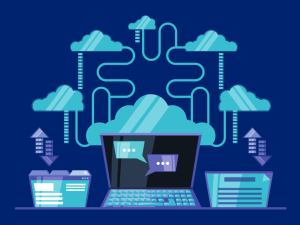

Security monitoring once relied on relatively simple alert systems. Organisations deployed security tools that generated notifications when suspicious activity occurred, and analysts reviewed those alerts to determine whether action was required. While this approach worked in smaller environments, modern infrastructure produces far more data than traditional monitoring models were designed to handle. Today’s organisations operate across cloud platforms, distributed networks, and connected devices, all of which generate large volumes of logs and system telemetry. Security teams now depend on advanced monitoring platforms and automated detection systems to identify meaningful signals within this data. As monitoring tools become more intelligent, the role of the analyst is also evolving. Instead of simply observing alerts, professionals are now expected to interpret security data, investigate patterns, and determine how incidents should be handled.
Why Security Monitoring Is Changing
Enterprise infrastructure has expanded far beyond traditional internal networks. Organisations now operate applications across cloud platforms, remote devices, and distributed systems. Each component of this environment generates security logs and system events, creating an enormous volume of data that must be monitored continuously.
This scale makes traditional alert-based monitoring insufficient. Security teams often receive thousands of alerts every day, many of which are false positives or low-priority events. Without the ability to analyse and prioritise these alerts, important signals can easily be overlooked.
As a result, modern security operations focus on identifying meaningful patterns within large datasets rather than reacting to individual alerts. Monitoring systems are increasingly designed to collect, correlate, and analyse data from across infrastructure environments, allowing analysts to investigate incidents more effectively.
The Role of SIEM Platforms in Modern Security Operations
To manage the growing volume of security data, many organisations rely on Security Information and Event Management (SIEM) platforms. These systems collect logs and events from across infrastructure environments and present them in a unified view for analysts.
Instead of examining alerts from individual tools, SIEM platforms allow security teams to correlate events across multiple systems. This helps analysts identify patterns that may indicate suspicious activity or potential security incidents.
SIEM platforms typically support several key monitoring capabilities:
- Centralised collection of logs from servers, applications, and network devices
- Correlation of events across different systems and environments
- Detection of unusual behaviour patterns that may signal a security incident
- Prioritisation of alerts so analysts can focus on higher-risk events
- Support for investigation workflows during incident analysis
By aggregating and analysing security data in one place, SIEM platforms help organisations reduce alert noise and focus attention on events that require investigation.
Automation Is Transforming Security Workflows
As security monitoring platforms collect larger volumes of data, automation has become an essential part of modern security operations. Automated systems help process alerts, correlate events, and surface incidents that require human investigation. This reduces the time analysts spend manually reviewing routine alerts and allows security teams to focus on more complex issues.
Automation also improves response speed. When suspicious activity is detected, automated workflows can quickly gather related logs, enrich alerts with contextual data, and present analysts with a clearer picture of what may be happening across the environment. This faster access to relevant information helps analysts make informed decisions during incident investigations.
However, automation does not replace security analysts. Instead, it increases the importance of professionals who can interpret the results produced by monitoring systems. Analysts must understand how automated detections work, evaluate the context of alerts, and determine whether activity represents a real security incident or normal system behaviour.
Why Security Analysts Must Understand Data
As monitoring platforms become more advanced, the role of the security analyst increasingly revolves around interpreting large volumes of security data. Analysts must move beyond simply reviewing alerts and instead understand how different events relate to one another across systems and applications. This requires the ability to analyse patterns, recognise unusual activity, and investigate potential incidents with a structured approach.
Modern security operations require analysts to develop several practical analytical capabilities:
- Interpreting system and network logs generated across infrastructure
- Correlating alerts from multiple monitoring tools to identify real incidents
- Investigating unusual behaviour patterns across users, devices, and systems
- Coordinating incident response activities when suspicious activity is confirmed
These skills allow analysts to move from reactive monitoring toward investigative security operations, where identifying and understanding the cause of an event becomes just as important as detecting it.
Why CySA+ Skills Are Becoming Valuable
As security operations become more data-driven, organisations increasingly look for professionals who understand how monitoring platforms, detection systems, and incident investigation workflows operate together. Certifications such as CompTIA CySA+ focus on the analytical side of security operations, helping professionals develop the skills needed to interpret security data and investigate potential threats.
CySA+ emphasises areas that align closely with modern security operations, including analysing security alerts, understanding monitoring platforms, and investigating suspicious activity within complex environments. Instead of focusing only on detection tools, the certification highlights the investigative and analytical processes that security analysts use when responding to incidents.
Because of this focus, CySA+ is often seen as a practical stepping stone for professionals who want to move beyond entry-level monitoring tasks and take on more investigative roles within security operations teams. Training programmes, such as those offered through Ascend Education’s CySA+ course, help learners understand how modern monitoring environments operate while building the analytical skills needed to investigate and respond to security incidents.
Building Practical Security Monitoring Skills
Developing strong security monitoring skills requires more than theoretical knowledge. Analysts need to understand how monitoring platforms work in real environments and how different systems generate and correlate security data. When organisations rely on multiple monitoring tools, professionals must be able to interpret alerts, review system logs, and recognise patterns that may indicate suspicious activity.
Hands-on training plays an important role in building these abilities. Programmes such as the CompTIA CySA+ course offered by Ascend Education help learners understand how modern monitoring environments function while developing the analytical skills required for incident investigation. By combining practical exercises with structured learning, professionals can gain the experience needed to move from basic alert monitoring to deeper security analysis.
Conclusion
Security monitoring is no longer limited to reviewing alerts on a dashboard. Modern security operations rely on platforms that collect and analyse large volumes of data from across infrastructure environments. As monitoring tools become more advanced, organisations need professionals who can interpret security signals, investigate incidents and understand how different systems interact.
This shift is changing the expectations placed on security analysts. Professionals who understand monitoring platforms, data analysis, and incident investigation are becoming increasingly valuable to organisations. As security operations continue to evolve, the ability to interpret and act on security data will remain one of the most important skills in modern IT environments.
FAQs
1. What does a security analyst do in modern security operations?
A security analyst monitors system activity, investigates suspicious events, and helps organisations respond to potential security incidents. Modern analysts also analyse large volumes of security data generated by monitoring platforms to identify patterns that may indicate a threat.
2. What is a SIEM platform used for?
A SIEM (Security Information and Event Management) platform collects and centralises logs from multiple systems such as servers, applications, and network devices. It helps security teams detect unusual activity, prioritise alerts, and investigate potential incidents.
3. Why is security monitoring becoming more data-driven?
Modern IT environments generate massive amounts of logs and system telemetry. To manage this scale, organisations rely on monitoring platforms that analyse and correlate data automatically, helping analysts identify meaningful signals among thousands of events.
4. How does automation help security operations teams?
Automation helps process alerts, correlate security events, and provide analysts with contextual information during investigations. This reduces manual workload and allows security teams to focus on analysing incidents rather than reviewing every alert individually.
5. Why are analytical skills important for security analysts today?
As monitoring platforms become more advanced, analysts must interpret patterns within security data rather than simply responding to alerts. Analytical skills help professionals understand system behaviour, investigate incidents, and determine appropriate responses.