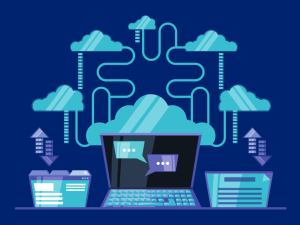
Cloud computing once promised simplicity. Many organisations expected to choose a single cloud provider and scale their infrastructure within that ecosystem. In reality, enterprise environments evolved differently. Today, companies operate across several cloud platforms while still maintaining internal infrastructure. Applications may run on one provider, storage systems may exist on another, and critical services may remain on-premise. This distributed approach increases flexibility but introduces a new challenge to governance. Managing workloads across multiple platforms requires consistent security policies, cost visibility, and operational control. As organisations expand their cloud strategies, governance knowledge is becoming one of the most valuable skills in modern infrastructure operations.
Why Multi-Cloud Environments Are Becoming Common
Enterprises adopt multiple cloud platforms for a variety of practical reasons. Different providers offer specialised capabilities, geographic coverage, pricing advantages, and service integrations. Instead of committing to a single ecosystem, organisations distribute workloads based on performance, availability, and operational needs. At the same time, many businesses continue to operate internal infrastructure for regulatory requirements, sensitive workloads, or legacy applications. The result is a hybrid and multi-cloud architecture that spans several environments simultaneously. This flexibility provides resilience and scalability, but it also introduces complexity. Each platform has its own security controls, management tools, and identity systems. Without structured governance, organisations risk fragmented infrastructure and inconsistent policies.
What Is Multi-Cloud Governance?
Multi-cloud governance refers to the policies, tools, and operational frameworks used to manage infrastructure across multiple cloud providers and internal environments. Instead of treating each platform independently, governance frameworks create a unified structure for managing security, access controls, compliance requirements, and operational policies. Governance ensures that organisations can maintain visibility and control across distributed infrastructure while enforcing consistent standards for how systems are configured and used. Without governance, cloud environments can quickly become difficult to monitor, manage, and secure.
Security and Identity Across Multiple Cloud Platforms
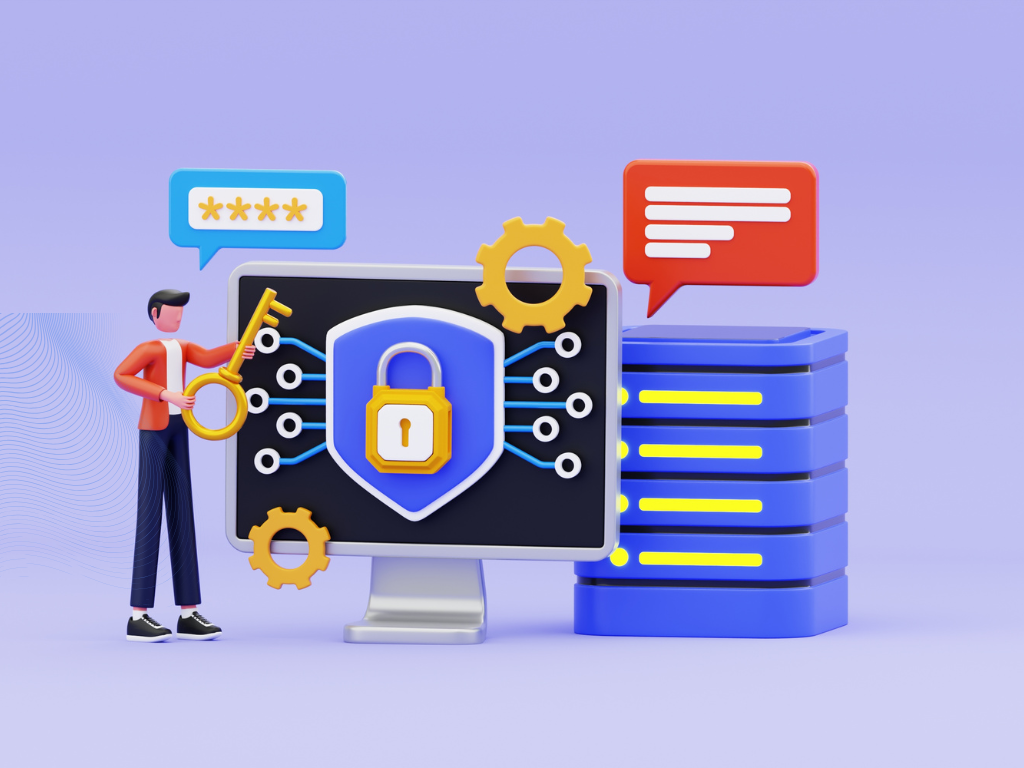
Security becomes more complicated when infrastructure spans multiple providers. Each cloud platform implements its own access control systems, configuration models, and authentication methods. Without coordination, organisations may experience inconsistent security policies across environments. Effective governance ensures that security controls remain consistent regardless of where workloads operate.
Important elements of multi-cloud security governance include:
- Centralised identity and access management
- Consistent authentication policies across platforms
- Continuous monitoring of configuration settings
- Standardised policy enforcement across environments
When identity management is unified across cloud environments, organisations reduce the risk of misconfigured permissions and unauthorised access.
Cost Governance Is Becoming a Technical Responsibility
One of the most common challenges in multi-cloud environments is cost visibility. Cloud platforms allow infrastructure to scale rapidly, but without careful oversight, expenses can increase unexpectedly. Many organisations discover that distributed workloads create hidden costs related to data transfer, underutilised resources, or inefficient infrastructure design. As a result, cost governance is no longer treated solely as a finance concern. Infrastructure teams now play an important role in monitoring and optimising cloud spending.
Key practices that support effective cost governance include:
- Continuous monitoring of resource usage
- Visibility across multiple cloud platforms through unified dashboards
- Allocation of costs to specific teams or projects
- Infrastructure optimisation based on workload requirements
By integrating cost awareness into operational workflows, organisations can maintain financial control over expanding cloud environments.
Automation Is Essential for Multi-Cloud Governance
Managing multiple cloud platforms manually is not sustainable. Each environment introduces different configuration rules, service models, and operational processes. Automation helps organisations enforce governance policies consistently across providers. Infrastructure definitions, security policies, and deployment procedures can be standardised through automated workflows.
Automated governance ensures that:
- security policies remain consistent
- infrastructure configurations follow defined standards
- compliance requirements are continuously validated
This approach reduces operational risk while improving reliability across distributed environments.
What Skills Are Required to Manage Multi-Cloud Infrastructure?
Managing hybrid and multi-cloud environments requires a broader set of infrastructure skills than traditional system administration. Professionals must understand how multiple platforms interact while maintaining governance across distributed systems.
Key skill areas include:
- cloud infrastructure management across different providers
- identity and access governance
- cost monitoring and optimisation
- automation of infrastructure policies
- integration between internal infrastructure and cloud platforms
These capabilities allow professionals to maintain stability and operational control across increasingly complex environments.
Why Governance Skills Are Becoming Essential
As organisations expand their digital infrastructure, the complexity of cloud environments continues to increase. Managing several providers without structured governance introduces security risks, operational inefficiencies, and unpredictable costs. Professionals who understand governance frameworks help organisations maintain consistency across distributed systems. Their expertise ensures that infrastructure policies remain aligned with security standards, compliance requirements, and operational goals. Governance therefore becomes a foundational capability within modern cloud operations.
Conclusion
Cloud infrastructure has evolved from isolated environments into distributed ecosystems spanning multiple providers and internal systems. This transformation provides flexibility but also introduces significant operational complexity. Governance frameworks provide the structure needed to manage this complexity. By enforcing consistent policies, maintaining visibility across environments, and integrating cost control with operational workflows, organisations can operate hybrid and multi-cloud infrastructure effectively. As enterprise systems continue to expand across platforms, professionals who understand governance and hybrid infrastructure management will play an increasingly important role in maintaining reliable and secure technology environments.
FAQs
1.What is multi-cloud governance?
Multi-cloud governance refers to the policies and tools used to manage security, costs, and operational standards across multiple cloud platforms.
2.What is the difference between hybrid cloud and multi-cloud?
Hybrid cloud combines on-premise infrastructure with cloud services, while multi-cloud involves using multiple cloud providers simultaneously.
3.Why do organisations adopt multi-cloud strategies?
Organisations use multiple cloud providers to gain flexibility, avoid vendor dependency, and optimise performance or pricing across different platforms.
4.What challenges exist in multi-cloud environments?
Common challenges include inconsistent security policies, limited cost visibility, infrastructure complexity, and fragmented monitoring tools.
5.Why are governance skills important for cloud professionals?
Governance skills help professionals manage distributed infrastructure, maintain consistent policies, control cloud costs, and ensure operational stability.