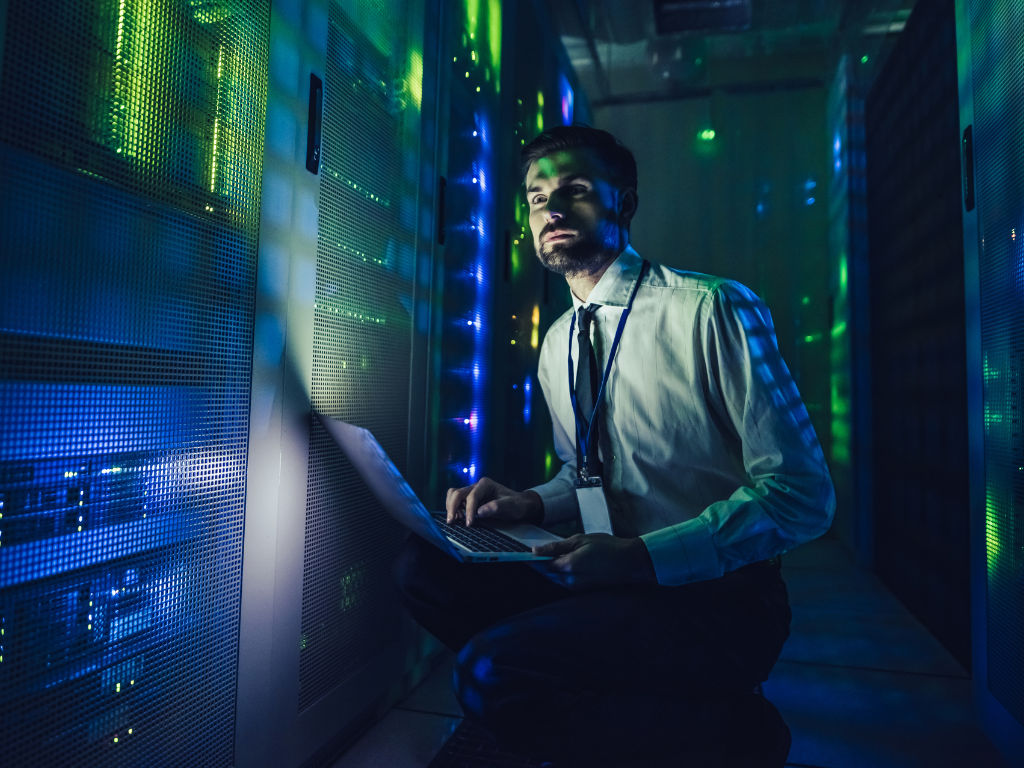
Walk into any data center today and you’ll notice a pattern: more servers, more cloud workloads, more storage, and a lot more electricity being consumed than ever before. As organizations race to expand their digital infrastructure, something else is rising alongside it the pressure to make all this computing sustainable.
Here’s the reality students need to understand. Modern data centers use enormous amounts of power. Cooling systems run nonstop. Hardware refresh cycles create mountains of e-waste. And as cloud adoption explodes, companies can no longer ignore the environmental cost of keeping the digital world running. That’s why sustainability has moved from a corporate slogan to a real technical priority. Green data centers aren’t just cleaner, they’re smarter, more efficient, and far more cost-effective. They rely on new cooling strategies, renewable energy, carbon-tracking tools, and a workforce that actually understands how to operate sustainable systems.
And this is where IT students come in. Whether you want to work in cloud, networking, cybersecurity, or systems administration, sustainability is becoming a core part of the job. Employers are looking for people who can reduce energy usage, optimize workloads, and build infrastructure that supports long-term environmental goals.
The shift is already happening. The question now is simple: Are future IT professionals ready for a world where “green skills” are just as important as technical ones?
What Exactly Makes a Data Centre “Green”?
A green data center isn’t just a regular facility with solar panels on the roof. It’s an entire approach to designing, powering, cooling, and managing digital infrastructure in a way that dramatically reduces environmental impact while improving efficiency. At its core, a green data center focuses on using less energy to do the same amount of computing or even more. Traditional facilities rely heavily on power-hungry cooling systems, constant hardware cycling, and electricity grids that don’t always use renewable sources. Green data centers rethink all of that.
They use smarter cooling solutions that waste less energy, automated systems that manage airflow and temperature, and equipment designed to maximize performance per watt. They track carbon emissions, optimize workloads, and increasingly run on renewable energy like wind or solar power.
The goal is simple: Deliver high-performance computing with far less waste.
This shift doesn’t just lower environmental impact, it lowers operational costs, improves reliability, and aligns organizations with global sustainability standards. And because data centers sit at the heart of cloud computing, AI workloads, and enterprise networks, these improvements ripple across the entire digital economy. Understanding how these facilities work and what makes them green is becoming essential knowledge for anyone entering IT.
The Sustainability Problem Data Centers Must Solve
Behind every cloud service, AI tool, streaming platform, and enterprise application sits a data center working non-stop. The problem is, these facilities consume enormous amounts of power so much that global data centers use more electricity than many entire countries. And as AI workloads grow, that demand is rising even faster. Cooling alone can account for nearly 40% of a data center’s total energy use. Traditional HVAC systems run constantly, pushing chilled air through server halls just to keep equipment from overheating. Multiply that across thousands of facilities and the environmental cost becomes impossible to ignore.
There’s also the carbon footprint. Most data centers still depend on grids powered by fossil fuels. Every time a server boots, a VM is deployed, or a dataset is processed, emissions follow. As organizations set aggressive climate goals, data centers become one of the biggest barriers and the biggest opportunities to reduce impact.
The sustainability challenge boils down to three core issues:
1. Rising energy consumption: More users, more services, and more AI mean more electricity than ever before.
2. Inefficient legacy cooling: Older cooling setups waste massive amounts of energy that modern systems could save.
3. Carbon accountability: Companies can no longer ignore the environmental cost of digital operations; regulators and investors are watching.
This is why the industry is pivoting hard toward green data centers. And it’s why IT professionals who understand sustainable infrastructure are suddenly in high demand. The people who can solve these problems will shape the next decade of digital growth.
Energy-Efficient Cooling: The First Big Skill Students Need
If there’s one area where sustainability and IT operations collide, it’s cooling. Servers generate intense heat, and keeping them within safe temperatures is non-negotiable. For decades, data centers relied on traditional air-based cooling, large CRAC units, raised floors, and high-powered fans pushing cold air through entire rooms. It worked, but it wasn’t efficient.
Today, organizations want cooling systems that do the same job using far less energy. And this shift has created a new skills gap that IT students can step into.
Liquid Cooling: Instead of cooling an entire room, liquid systems remove heat directly from the source. Techniques like cold plates and immersion cooling pull heat away far more efficiently than air. With AI workloads and dense server racks pushing power limits, liquid cooling is quickly becoming essential.
Free Cooling: This strategy uses naturally cold outside air or even water from nearby lakes and underground sources to cool equipment. When conditions allow, it reduces or eliminates the need for energy-hungry chillers.
Airflow Optimization: Even when traditional cooling is used, airflow design plays a major role in efficiency. Hot aisle/cold aisle layouts, containment systems, and smart placement of racks can drastically cut energy waste.
Why this matters for IT students: Cooling is no longer just a facilities problem. IT teams now collaborate directly with sustainability and operations teams to plan rack layouts, analyze temperature data, and implement cooling strategies that reduce energy use without risking equipment health.
Students who understand these systems aren’t just learning how data centers run, they’re learning how modern data centers stay cost-efficient, scalable, and environmentally responsible. These skills make candidates stand out immediately in cloud, infrastructure, and operations roles.
Carbon Accounting Tools: Why IT Students Must Understand Them?
As data centers push toward net-zero goals, companies need accurate measurements of energy use and emissions. That’s why carbon-accounting tools are becoming essential in IT environments. These platforms track real-time power consumption, calculate carbon impact, and monitor efficiency metrics like PUE. They also help organizations meet growing compliance and reporting requirements. For IT teams, this means sustainability is no longer separate from operations. Students entering the field must know how to read these dashboards, understand energy data, and support decisions that reduce environmental impact. It’s now a core skill not an optional one.
Renewable-Powered Data Centers: The Future of IT Infrastructure
More data centers are shifting to solar, wind, and hydro power to cut their environmental footprint, and this trend is reshaping what IT roles look like. These facilities no longer rely only on traditional grid electricity. Instead, they blend multiple renewable sources, battery storage systems, and smart power management tools to stay stable and efficient. For IT professionals, this means understanding how variable energy sources behave. Solar power drops at night, wind output fluctuates, and workloads must be balanced accordingly. Modern data centers use intelligent systems that adjust power distribution automatically, and IT teams must know how to work with these setups. Students entering the field will need familiarity with concepts like renewable integration, UPS systems, and load balancing. As more companies commit to carbon-neutral goals, the ability to support renewable-powered infrastructure becomes a growing advantage and one of the most future-proof skills in the industry.
The New Sustainability Roles Emerging in IT
As green data centers become the industry norm, entirely new job roles are appearing that blend technical expertise with environmental responsibility. These aren’t “nice-to-have” positions anymore; companies depend on them to meet regulatory requirements, efficiency targets, and carbon-neutral commitments.
Sustainability Managers oversee energy use, vendor choices, reporting standards, and compliance. They work closely with IT teams to evaluate hardware lifecycle impact, waste reduction, and power optimization.
Data Centre Energy Specialists focus on cooling systems, airflow design, and energy-efficiency audits. They monitor power usage effectiveness (PUE), identify inefficiencies, and recommend upgrades to cooling infrastructure or server layout.
Environmental Compliance Analysts ensure that data center operations meet global and regional sustainability regulations. They rely on carbon-accounting tools, reporting frameworks, and environmental metrics that IT professionals must understand.
Chief Sustainability Officers (CSOs) are becoming more common in large organizations. They guide long-term sustainability strategy, evaluate renewable power adoption, and ensure the company aligns with global sustainability standards.
For IT students, this shift means one thing: sustainability is no longer a side topic. It’s becoming a core skill. The professionals who understand both technology and environmental impact will be the ones shaping the data centers of tomorrow.
Why Sustainability Skills Give IT Students a Career Advantage?
Green data centers aren’t just an industry trend; they’re becoming a core requirement for every organization that manages large-scale digital infrastructure. That shift creates a major opportunity for IT students. Companies now compete to reduce energy use, cut carbon emissions, and meet strict reporting standards. They need professionals who understand both technology and environmental impact. Students who can speak the language of efficiency metrics, renewable-powered systems, and sustainable operations instantly stand out. These skills also open doors across multiple fields. Cloud providers, colocation facilities, telecom companies, financial institutions, and government agencies all operate massive data environments that are under pressure to become greener. The result is simple: sustainability knowledge expands the number of roles a student can qualify for.
It also builds long-term resilience. As automation takes over basic IT tasks, the work that remains human-centric involves planning, strategy, optimization, and compliance all areas where sustainability plays a central role. IT graduates who understand how to operate efficient, eco-friendly data centers will be better prepared as the industry moves toward carbon-neutral operations by default.
In short, learning green IT practices doesn’t just help the planet. It helps students future-proof their careers in a sector that’s evolving faster than ever.
Conclusion: Sustainability Isn’t Optional—It’s the Future of IT
Green data centers aren’t a niche experiment anymore. They’re becoming the backbone of modern infrastructure, and every major organization is moving toward cleaner, more efficient operations. That shift is reshaping what it means to build a career in IT. For students, this moment is an opportunity. Understanding energy-efficient cooling, renewable-powered systems, carbon-tracking tools, and sustainable design principles isn’t just “nice to have.” It’s quickly becoming part of the core skillset employers expect from tomorrow’s IT professionals. The industry needs people who can think beyond uptime and performance, and understand how technology choices impact cost, compliance, and the environment. Those who embrace sustainability now will be positioned for roles that didn’t exist a few years ago and will become essential over the next decade.
Sustainable IT isn’t a side path. It’s the direction the entire industry is heading. And the students who learn to operate greener, smarter data centers will be the ones leading it.
FAQs:
1. What makes a data center “green”?
A green data center uses energy-efficient cooling, renewable power, and sustainable design practices to reduce environmental impact.
2. Do green data centers cost more to run?
Not usually. Many sustainable upgrades lower long-term costs by cutting energy use and improving operational efficiency.
3. Are sustainability skills required for entry-level IT roles?
They’re increasingly expected. Even beginners benefit from knowing how energy use, cooling, and efficiency metrics affect data center performance.
4. Can traditional data centers switch to renewable energy?
Yes. Many facilities are already transitioning by integrating solar, wind, or power-purchase agreements into their energy mix.
5. What tools do IT teams use to measure sustainability?
Teams rely on carbon-accounting dashboards, PUE monitoring tools, and energy-tracking platforms to understand and reduce their footprint.