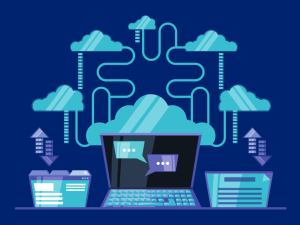

Edge computing is no longer an emerging concept. In 2026, it is becoming a practical requirement for organizations that depend on real-time data processing, distributed applications and low-latency services. For years, centralized cloud infrastructure handled the majority of enterprise workloads. That model worked when applications could tolerate slight delays and data volumes were manageable. Today, connected devices, smart systems and user expectations demand faster response times and localized processing. Edge computing moves workloads closer to where data is generated. That shift is not just architectural. It changes how networks are designed, secured and managed. For network engineers, this means adapting to distributed environments rather than relying solely on centralized infrastructure.
Why Edge Computing Is Accelerating in 2026
Several forces are driving the rapid growth of edge deployments. Connected devices continue to multiply. Industrial systems generate constant telemetry. Retail, healthcare and logistics platforms require instant processing at physical locations. Latency-sensitive applications such as video analytics, smart manufacturing and real-time transaction systems cannot depend entirely on distant data centers. Even minor delays can impact performance and user experience.
Additionally, organizations are balancing cost and performance by processing critical workloads locally while still leveraging cloud platforms for large-scale analytics and storage. This hybrid approach increases efficiency but adds architectural complexity. As data becomes more distributed, networks must evolve to support that distribution.
Distributed Workloads Redefine Network Architecture
Edge computing fundamentally changes how workloads are structured. Instead of sending all data to a central data center or cloud region, organizations now process data at multiple distributed locations.
This shift introduces architectural changes such as:
- Decentralized compute nodes operating across sites
- Multi-location data processing closer to end users
- Real-time decision engines running at edge locations
- Reduced dependence on centralized data centers
- Increased east-west traffic between distributed nodes
- Hybrid integration between cloud and edge environments
Traditional hub-and-spoke network models are becoming less effective. Traffic patterns are no longer strictly north-south. Instead, data flows laterally across distributed systems. For network engineers, this means designing for resilience across multiple nodes rather than optimizing a single centralized backbone.
Latency Optimisation Becomes a Core Skill
Latency is no longer just a performance metric. In many edge deployments, it is a business requirement. Applications such as smart retail systems, connected healthcare devices and industrial automation platforms rely on near-instant response times. Even small delays can disrupt operations or reduce system efficiency. Network engineers must now understand how routing decisions, bandwidth allocation and traffic prioritization impact application performance. Optimizing latency involves evaluating physical distance, link redundancy and data processing location.
Edge infrastructure requires careful planning to ensure that workloads are processed at the most efficient point in the network. Performance tuning is no longer optional. It is central to successful deployment.
Edge Security Challenges Expand
As organizations distribute computers closer to users and devices, the security model becomes more complex. Centralized control is replaced by multiple physical and virtual edge nodes operating in varied environments.
This creates new security considerations, including:
- Expanded attack surfaces across distributed locations
- Physical exposure of edge devices in remote or public spaces
- Limited on-site technical oversight
- Secure data transmission between edge and cloud systems
- Increased complexity in remote monitoring
- Maintaining consistent policies across all nodes
Unlike centralized data centers, edge environments often operate in retail stores, factories or branch offices. This increases both physical and network exposure risks. Security controls must extend beyond perimeter defense. They must account for distributed infrastructure, encrypted communications and continuous visibility across all nodes. Edge deployments succeed only when security is integrated into architecture design from the beginning.
Hybrid Architecture Is the New Standard
Edge computing does not replace cloud infrastructure. Instead, it complements it. Modern enterprise architecture now blends cloud platforms, on-prem systems and edge nodes into a unified environment. Workloads are distributed based on performance requirements, compliance constraints and cost considerations. Some data is processed locally for speed. Other data is aggregated in centralized platforms for analytics and storage. This hybrid model increases flexibility but demands deeper coordination between infrastructure components. Network engineers must understand how to maintain seamless connectivity, enforce consistent policies and ensure reliable data movement across environments. Architecture is no longer single-layered. It is multi-dimensional.
Network Observability Across Distributed Systems
As infrastructure spreads across multiple edge locations, maintaining visibility becomes significantly more complex. In centralized environments, monitoring tools provide a unified view of traffic, performance and system health. Distributed edge environments fragment that visibility. Network engineers must now monitor performance, connectivity and system behavior across dozens or even hundreds of nodes. Telemetry data must be aggregated from remote locations, correlated and analyzed in real time. Without structured observability frameworks, diagnosing performance issues becomes difficult. Packet loss at one site, routing inconsistencies at another or bandwidth saturation at a third location can disrupt applications in ways that are harder to trace.
Effective edge deployment requires:
- Consistent telemetry collection across all nodes
- Real-time traffic visibility
- Centralized dashboards with distributed insights
- Automated anomaly detection
- Performance baselining across locations
Observability is no longer just about uptime. It is about understanding system behavior across a distributed architecture.
Infrastructure Automation at the Edge
Manual configuration does not scale in distributed environments. As edge nodes increase, managing configurations site by site becomes inefficient and error-prone. Automation ensures consistent policy enforcement, security controls and routing configurations across all locations. Network engineers must now design systems that can be provisioned, updated and managed remotely. Policy-based orchestration tools allow organizations to deploy updates across distributed nodes without manual intervention. This reduces downtime and minimizes configuration drift. In edge environments, automation is not simply a convenience. It is necessary to maintain consistency, performance and security at scale.
Career Implications for Network Engineers
The rise of edge computing is expanding the scope of network engineering. Traditional networking focused heavily on centralized routing, switching and perimeter security. Edge environments require broader architectural awareness. Network engineers must now understand distributed system design, hybrid integration models and performance optimization across multiple locations. Infrastructure roles are becoming more strategic, involving architecture planning rather than only device configuration. Professionals who adapt to edge-driven environments gain a competitive advantage. Organizations need engineers who can design resilient distributed networks, enforce consistent policies and ensure performance across cloud and edge ecosystems.
Networking is no longer confined to a data center. It spans retail stores, manufacturing plants, branch offices and remote environments.
Conclusion
Edge computing is not replacing cloud infrastructure. It is reshaping how infrastructure is designed and deployed. As workloads move closer to users and devices, network architecture becomes more distributed, more performance-sensitive and more complex. Latency optimization, edge security and hybrid integration are becoming core skills rather than specialized knowledge.
The shift is clear. Infrastructure is spreading outward. The question for network engineers is simple: are they prepared to design for centralized systems or for distributed ecosystems that define modern enterprise architecture?
FAQs
1. Is edge computing replacing traditional cloud infrastructure?
No. Edge computing complements cloud infrastructure. It processes time-sensitive workloads locally while still relying on centralized platforms for storage, analytics and large-scale processing.
2. What industries are driving edge adoption fastest?
Industries such as manufacturing, healthcare, retail, telecommunications and logistics are rapidly adopting edge infrastructure due to their need for real-time processing and low-latency performance.
3. How does edge computing impact bandwidth usage?
Edge computing reduces unnecessary bandwidth consumption by processing data locally instead of transmitting all information to centralized data centers.
4. What new risks do distributed edge nodes introduce?
Distributed nodes increase physical exposure, expand network entry points and make centralized monitoring more complex, requiring stronger observability and policy enforcement strategies.
5. Do network engineers need cloud expertise to manage edge environments?
Yes. Edge environments are typically integrated with cloud platforms. Engineers must understand hybrid architecture, cloud networking principles and distributed workload management.