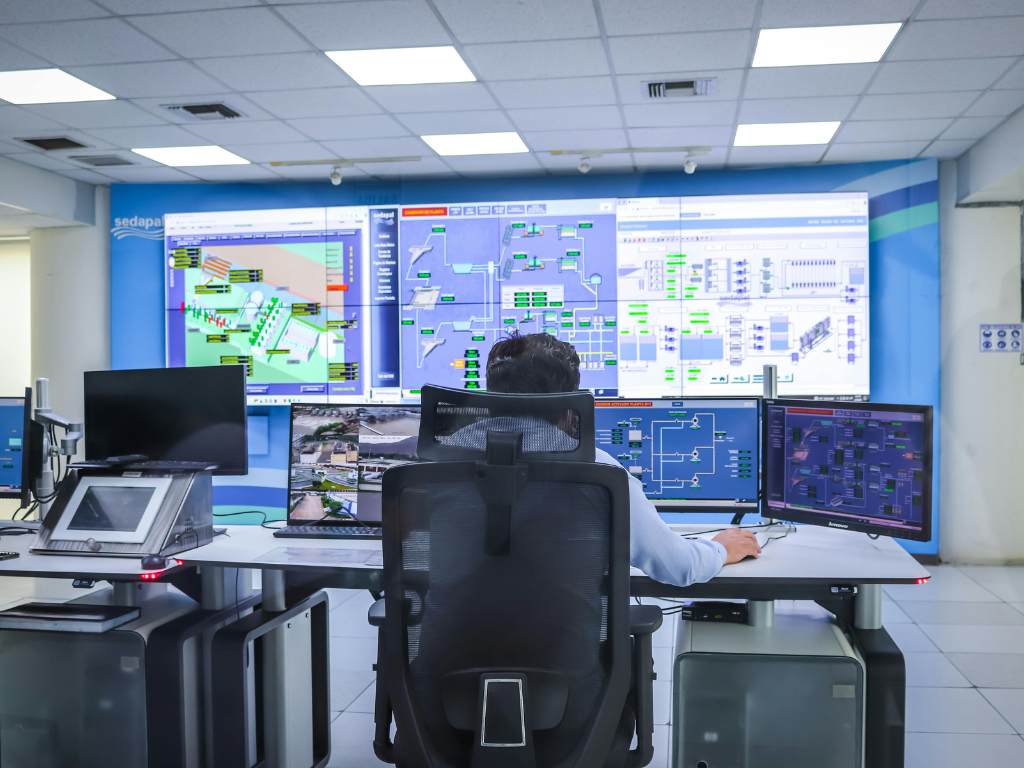
AI is becoming part of IT operations because traditional methods can no longer keep up with scale and complexity. Modern IT environments generate massive volumes of data from servers, networks, cloud platforms, and applications. As a result, manual monitoring and rule-based tools struggle to detect issues early. This is where AI adds value. By analyzing patterns across logs, metrics, and events, AI tools can identify anomalies faster than humans. Moreover, businesses now expect near-zero downtime. This raises pressure on IT teams to respond instantly. At the same time, hybrid and multi-cloud environments have increased operational noise. AI helps filter that noise into actionable insights. Another key driver is cost efficiency.
AI-driven automation reduces repetitive tasks, freeing engineers to focus on higher-value work. In addition, vendors have embedded AI into popular IT management platforms. This lowers the barrier to adoption. However, AI is not entering IT operations to replace teams. Instead, it supports decision-making and speeds up response times. In short, AI adoption is a response to operational overload. It reflects the need for smarter, faster, and more proactive IT operations.
What’s Changing in Day-to-Day IT Operations?
AI is reshaping how IT teams monitor, predict, and respond to issues. First, monitoring is becoming predictive rather than reactive. Instead of waiting for alerts, AI tools forecast failures before they occur. This helps teams act early. Next, incident management is becoming faster. AI can correlate alerts across systems and identify root causes quickly. As a result, mean time to resolution drops. Another major change is automation. Routine tasks such as ticket routing, system restarts, and capacity scaling are increasingly automated. This reduces manual workload and error rates. Additionally, AI improves visibility across complex environments. It connects data from cloud, on-premise, and third-party tools into one view. This simplifies operations. AI is also influencing decision-making. Recommendations are now data-driven rather than experience-based alone.
However, these changes do not remove human responsibility. Engineers still validate actions and manage exceptions. Instead, AI shifts their role toward oversight and optimization. Overall, IT operations are becoming more proactive, data-led, and efficient. The daily focus is moving from firefighting to prevention and continuous improvement.
What Is Not Changing Despite AI Adoption?
Despite AI’s growing role, many fundamentals of IT operations remain the same. First, human judgment is still essential. AI provides insights, but people make final decisions. Context, business impact, and risk tolerance cannot be automated fully. Next, core IT principles remain unchanged. Availability, security, compliance, and performance still guide every action. AI tools support these goals but do not redefine them. In addition, strong foundational skills are still required. Teams must understand systems, networks, and architectures to use AI effectively. Without this knowledge, AI outputs can be misinterpreted. Processes also continue to matter. Incident response frameworks, change management, and escalation paths remain critical. AI works within these structures, not outside them.
Furthermore, accountability does not shift to machines. IT teams are still responsible for outcomes. AI errors must be reviewed and corrected by humans. Finally, trust must be earned. AI recommendations require validation, especially in critical systems. In summary, AI enhances IT operations, but it does not replace discipline, expertise, or responsibility. The foundation stays human-led, with AI acting as a powerful support layer.
Where AI Adds the Most Operational Value?
AI delivers the strongest results when applied to repeatable, data-heavy operational tasks. These areas already generate patterns that machines can learn from. As a result, AI improves speed and consistency without increasing risk.
Key areas where AI creates impact include:
- Event and Log Correlation: AI connects alerts across systems to reduce noise. This helps teams focus on real issues faster.
- Predictive Maintenance: Pattern analysis flags failures early. Teams fix problems before users are affected.
- Automated Incident Triage: AI classifies and routes tickets instantly. This shortens response time.
- Capacity and Performance Forecasting: Usage trends guide scaling decisions. Resources are optimized proactively.
- Root Cause Analysis Support: AI narrows down likely causes. Engineers validate and act with confidence.
How AIOps Is Changing Monitoring and Alerts?
Traditional monitoring relies on static thresholds. However, modern systems behave dynamically. This is where AIOps changes the approach. AI learns normal behavior over time. It then detects subtle deviations that rules miss. As a result, alerts become more meaningful. Teams receive fewer false positives. This reduces alert fatigue significantly. At the same time, AI improves context. Alerts are no longer isolated signals. Instead, related events are grouped together. This gives engineers a clearer picture of what is happening. Consequently, diagnosis becomes faster.
Yet, human oversight remains critical. Engineers still define priorities and risks. AI assists but does not replace judgment. Over time, teams trust alerts more because accuracy improves. Monitoring shifts from constant noise to focused insight. Ultimately, AIOps transforms monitoring into a decision-support function. It helps teams move from reactive responses to proactive control.
Why Automation Still Needs Human Control?
Automation is one of AI’s biggest strengths. However, full autonomy is neither realistic nor safe in IT operations. Many actions carry business and security risks. Therefore, human approval remains essential. AI excels at executing predefined actions. It restarts services, scales resources, and resolves known issues. This saves time. However, exceptions still occur. Unexpected dependencies or edge cases require human reasoning.
Moreover, accountability cannot be automated. Teams must understand why an action was taken. Transparency builds trust in AI systems. For this reason, most organizations use human-in-the-loop models. AI suggests actions. Engineers approve or modify them. This balance ensures reliability. Automation accelerates execution. Humans ensure alignment with business goals. Together, they create controlled efficiency. In practice, the best results come from collaboration, not replacement.
Skills IT Teams Need as AI Expands
As AI becomes embedded in IT operations, skill requirements evolve. Teams must adapt while keeping core knowledge strong. This shift demands both technical depth and analytical thinking.
Key skills gaining importance include:
- Data Interpretation: Engineers must understand AI-generated insights. This prevents blind automation.
- System Fundamentals: Strong infrastructure knowledge remains essential. AI outputs depend on accurate context.
- Automation Design: Teams must define safe workflows. Poor design increases risk.
- AI Tool Governance: Oversight ensures ethical and reliable use. Controls remain critical.
- Decision Validation: Engineers must challenge recommendations. Trust grows through verification.
Together, these skills ensure AI strengthens IT operations without weakening control.
What AI Cannot Replace in IT Operations?
Despite rapid progress, AI has clear limits in IT operations. Understanding business context remains one of them. Systems may flag anomalies, but they cannot fully grasp organizational priorities. For example, an alert during peak business hours may carry more weight than the same alert overnight. Human teams make these judgment calls. This context awareness keeps operations aligned with real outcomes.
In addition, AI struggles with novel scenarios. When systems fail in unexpected ways, historical data offers little guidance. Engineers rely on experience, intuition, and cross-team collaboration. These skills cannot be automated. Moreover, stakeholder communication still requires empathy and clarity. Explaining incidents, risks, and recovery plans is a human responsibility. As a result, AI works best as an assistant. It supports decisions but does not own them. This balance ensures stability. IT operations remain resilient because people stay in control.
How AI Changes Day-to-Day IT Roles?
AI reshapes daily IT work, but it does not eliminate it. Routine tasks reduce over time. Manual log reviews and repetitive checks become automated. This frees engineers to focus on higher-value work. Problem-solving becomes more analytical. Teams spend more time validating insights instead of gathering data.
At the same time, roles become more strategic. Engineers design automation rules. They fine-tune alert logic. They evaluate AI recommendations before action. This shift increases responsibility. Skills evolve, but core expertise remains essential. Importantly, collaboration increases. IT teams work closely with security, cloud, and business units. AI provides shared visibility across systems. As a result, decisions improve. Day-to-day work becomes less reactive and more planned. IT operations move from firefighting to optimization.
What Organizations Must Do to Adopt AI Safely?
Successful AI adoption requires preparation. Tools alone are not enough. Governance, data quality, and team readiness matter just as much.
Key steps organizations should take include:
- Establish Clear Use Cases: AI should solve defined problems. This avoids unnecessary complexity.
- Maintain Data Accuracy: Poor data leads to poor decisions. Clean inputs are critical.
- Define Human Oversight: Approval workflows reduce risk. Accountability stays clear.
- Train Teams Continuously: Skills must evolve with tools. Confidence improves adoption.
- Monitor Outcomes Regularly: AI performance must be reviewed. Adjustments ensure long-term value.
Why the Future of IT Ops Is Hybrid?
The future of IT operations is neither fully manual nor fully automated. Instead, it is hybrid. AI handles scale and speed. Humans handle judgment and accountability. This model reflects reality. Modern systems are too complex for manual oversight alone. At the same time, blind automation introduces risk.
In a hybrid approach, AI enhances visibility. Teams gain faster insights into performance and incidents. Engineers then apply expertise to decide next steps. This partnership improves resilience. It also supports growth. As environments expand, AI absorbs operational load. Humans focus on architecture, optimization, and strategy. Over time, this balance becomes a competitive advantage. Organizations that combine intelligence with experience adapt faster. They stay reliable even as complexity increases.
How AI Improves Incident Response Without Replacing Teams?
Building on the hybrid model, AI plays a strong role in incident response. It accelerates detection and triage. Systems can correlate logs, metrics, and alerts in seconds. This reduces mean time to detect issues. However, AI does not act alone. Human teams still validate severity and business impact. AI helps responders see patterns faster. It surfaces root causes based on historical data. This guidance saves time during high-pressure incidents. Yet final decisions remain human-led. Engineers choose rollback strategies. They coordinate communication. They manage trade-offs.
Over time, AI also improves post-incident reviews. It highlights recurring failures and weak signals. Teams use this insight to strengthen systems. As a result, incident response becomes faster and calmer. AI supports teams, but people remain accountable.
What Skills IT Professionals Need in an AI-Driven Ops World?
As AI becomes embedded in operations, skill requirements evolve. Technical foundations remain critical. Networking, systems, and cloud knowledge still matter. However, new skills sit on top of these basics. Engineers must understand how AI tools make recommendations. This includes knowing model limitations and data dependencies. Equally important is critical thinking. Teams must question outputs. Blind trust creates risk. Communication skills also grow in importance. Engineers explain AI-driven decisions to leadership and business teams. Clear explanations build trust.
In addition, automation design becomes a core competency. Writing rules, thresholds, and workflows requires precision. Governance awareness matters too. Compliance and ethical use shape tool selection. Together, these skills redefine IT operations roles. Professionals who adapt remain valuable. Those who resist risk falling behind.
What the Long-Term Reality of AI in IT Operations Looks Like?
Looking ahead, AI in IT operations will mature steadily. Hype will fade. Practical value will remain. AI will not replace teams overnight. Instead, it will become invisible infrastructure. Much like monitoring tools today, it will be expected, not celebrated. Organizations will rely on AI for scale. Complex environments demand faster insights than humans alone can provide. At the same time, accountability will stay human. Regulations, audits, and business risk require clear ownership. This reinforces the hybrid model.
Over the long term, successful teams will be those that balance automation with expertise. They will invest in skills, governance, and culture. AI will amplify good processes. It will also expose weak ones. Ultimately, AI changes how IT operates but not why it exists. Stability, reliability, and trust remain the goal.
FAQs
Q1. Is AI replacing IT operations teams?
No. AI supports IT teams by improving speed and accuracy. Human oversight and decision-making remain essential.
Q2. What IT operations tasks benefit most from AI?
Monitoring, alert correlation, capacity planning, and incident triage see the strongest impact from AI tools.
Q3. Do companies need advanced AI skills to use AIOps?
Not initially. Most platforms are user-friendly, but teams benefit from understanding how AI models generate insights.
Q4. How reliable are AI-driven alerts in IT operations?
AI reduces alert noise but is not perfect. Teams must validate outputs and fine-tune models over time.
Q5. Is AI in IT operations suitable for small organizations?
Yes. Cloud-based AIOps tools scale well and help small teams manage complex environments efficiently.