AI can now build a strategy deck that looks like it came out of a consulting firm. That’s not an exaggeration. Developers are already creating and sharing open-source “skills” that allow AI agents to replicate consulting-style workflows. From defining problems and building hypotheses to generating structured analysis and slides, these systems can follow the same step-by-step process that firms like McKinsey have used for decades. A recent report highlights how platforms like Vercel are hosting thousands of these reusable skills, including ones designed to mimic consultant thinking. Some of these are gaining real traction, with developers actively using them to automate tasks that once required teams of analysts.
But when an actual consultant reviewed one of these AI-driven “McKinsey-style” agents, the gap became clear. The structure was there. The output looked right. The thinking behind it was missing. And that’s what makes this shift worth paying attention to.
What Actually Happened
This shift is not theoretical. It is already taking shape within developer ecosystems. Developers are now building and sharing open-source “skills” that can be integrated into AI agents. These skills act as reusable capabilities. Instead of training a model from scratch, developers can equip an AI system with a specific function and have it perform defined tasks immediately. Platforms such as Vercel have introduced large-scale skills libraries containing thousands of reusable capabilities. These include tasks like code review, content structuring, and workflow-based analysis. Some of these skills are already seeing consistent usage, indicating growing adoption among developers.
The concept gained momentum after similar approaches were introduced in earlier AI systems, and since then, developers have continued to expand these libraries. The result is a growing ecosystem where AI capabilities can be shared, reused, and combined across different applications. What stands out is how quickly this model is evolving. Tasks that once required specialised setup can now be executed through pre-built capabilities, making AI systems more accessible and easier to deploy.
What These “Consultant Skills” Actually Do
The idea of AI “consultant skills” may sound complex, but the actual function is quite structured. These skills are designed to replicate the step-by-step workflow that consulting teams typically follow. Instead of relying on open-ended responses, the AI is guided through a defined process that mirrors how structured analysis is carried out in professional environments.
In the examples highlighted, these skills can:
- break down a problem into smaller components
- generate initial hypotheses based on available inputs
- organise information into structured analysis
- produce outputs in formats such as reports or presentation slides
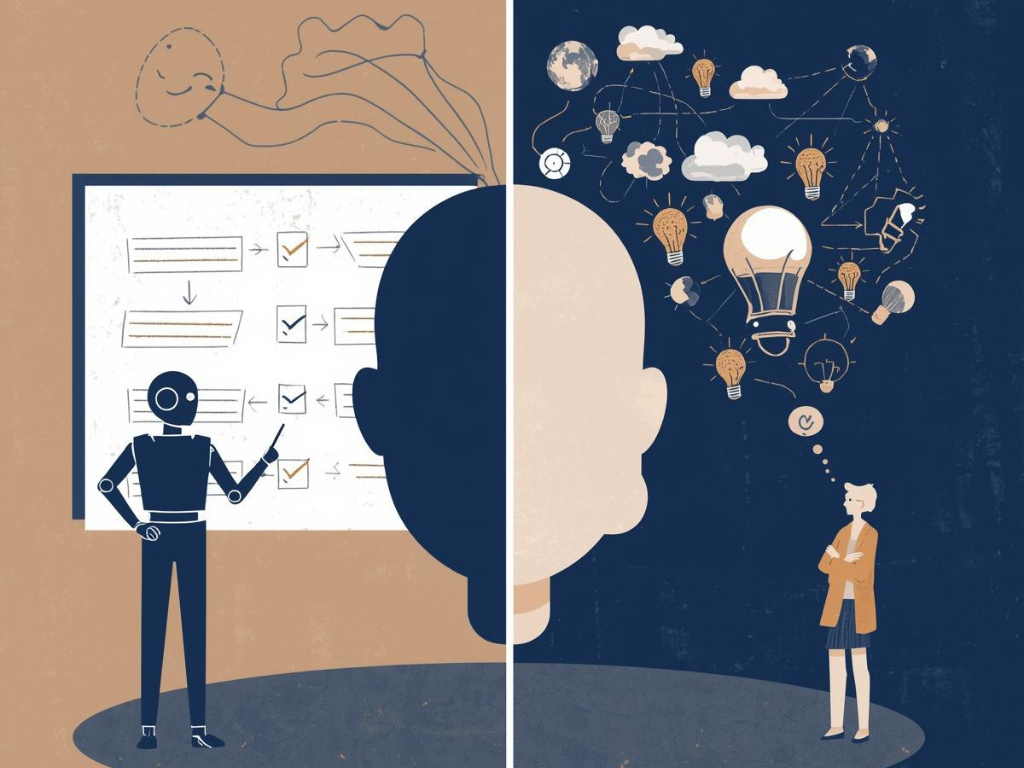
Essentially, the AI is not creating a new method of thinking. It is following a predefined framework that has already been established. This is why these skills are gaining traction. They bring consistency and speed to tasks that usually require time and coordination. Developers can apply these frameworks across multiple use cases without rebuilding the logic each time. However, it is important to understand what is actually being replicated here. The AI is reproducing the process of analysis, not the deeper reasoning that typically shapes it.
Why This Is a Bigger Shift Than It Looks
At first glance, this might seem like just another AI feature. But it points to a deeper change in how AI systems are being built and used. AI is moving from simply generating responses to executing structured workflows. Instead of asking a model to “figure things out,” developers are now giving it predefined ways to approach problems through reusable skills.
This changes how intelligence is packaged. Capabilities that were once tied to individuals or teams are now being turned into modular components that can be shared, reused, and scaled across systems. A workflow that works well in one context can be applied again elsewhere with minimal effort. That is why libraries like Vercel’s are growing quickly. They allow developers to assemble AI systems by combining different capabilities rather than building everything from scratch. This shift also makes AI systems more predictable. When a model follows a defined structure, the output becomes more consistent and easier to manage. For organisations, that reliability is often just as important as raw capability. But while the structure is becoming easier to replicate, it also highlights where the real limitations still exist.
Why This Is a Bigger Shift Than It Looks
At first glance, this might seem like just another AI feature. But it points to a deeper change in how AI systems are being built and used. AI is moving from simply generating responses to executing structured workflows. Instead of asking a model to “figure things out,” developers are now giving it predefined ways to approach problems through reusable skills. This changes how intelligence is packaged.
Capabilities that were once tied to individuals or teams are now being turned into modular components that can be shared, reused, and scaled across systems. A workflow that works well in one context can be applied again elsewhere with minimal effort. That is why libraries like Vercel’s are growing quickly. They allow developers to assemble AI systems by combining different capabilities rather than building everything from scratch. This shift also makes AI systems more predictable. When a model follows a defined structure, the output becomes more consistent and easier to manage. For organisations, that reliability is often just as important as raw capability. But while the structure is becoming easier to replicate, it also highlights where the real limitations still exist.
Why Context Is the Real Advantage
The gap becomes clearer when you look at where real value comes from. In consulting and analytical work, the output is rarely the most important part. The real value lies in understanding how different elements connect within a specific environment. This includes how teams operate, how data is interpreted, and how decisions impact outcomes over time. AI systems, even when equipped with structured skills, do not naturally have access to this level of understanding.
They may not fully account for:
- internal definitions that vary across teams
- changing business priorities
- informal processes that are not documented
- relationships between people, data, and outcomes
These factors are often built through experience, interaction, and continuous learning within an organisation. They are not always visible in datasets or predefined workflows. This is where the difference becomes clear. AI can process patterns and follow structured steps, but context is built through real-world exposure and interpretation. Without that layer, even well-structured outputs can miss critical insights. As a result, organisations are finding that while AI can accelerate workflows, it still needs guidance from individuals who understand the environment in which those workflows operate.
What This Means for Developers and IT Professionals
For developers and IT professionals, this shift changes what “working with AI” actually looks like. Tools are becoming easier to use. Tasks that once required manual effort or specialised workflows can now be handled through pre-built skills. But as execution becomes simpler, the focus moves away from doing the task to understanding how the task should be done.
In practical terms, this means:
- selecting the right capabilities instead of building everything from scratch
- combining multiple skills to create complete workflows
- validating outputs rather than assuming accuracy
- understanding where automation is useful and where it needs oversight
The role is shifting from execution to orchestration and interpretation. Developers are no longer just writing code or running processes. They are increasingly responsible for deciding how systems are structured, how tasks are distributed, and how outputs are evaluated. As more capabilities become available through shared libraries, the difference will not come from access to tools, but from how effectively those tools are used within a larger system.
Building Skills That Still Matter
As more workflows become automated through reusable AI skills, the focus shifts to what cannot be easily replicated. Following a structured process is no longer the differentiator. Understanding why that process exists and when it needs to change becomes more important.
Professionals need to develop skills that go beyond execution, such as:
- interpreting outputs instead of accepting them at face value
- identifying gaps or inconsistencies in structured analysis
- understanding how systems, data, and tools interact
- adapting workflows based on context and real-world conditions
This is where foundational IT and system-level understanding plays a key role. Training programmes such as those offered by Ascend Education focus on building this kind of practical knowledge. Courses designed around system administration, infrastructure, and modern computing environments help professionals understand how technologies operate beyond surface-level usage. As AI tools continue to evolve, the ability to apply knowledge, evaluate outcomes, and guide systems effectively will remain essential.
Ascend Education’s Take
AI is making structured work easier to replicate, but it is also making the gap between execution and understanding more visible. The rise of reusable “skills” shows that workflows can now be packaged, shared, and scaled. What used to require time, teams, and coordination can now be executed through predefined systems. But this also means that access to tools is no longer the advantage it once was. The real difference lies in how problems are approached.
AI can follow a process. It can generate structured outputs. But it still depends on how that process is defined, how inputs are interpreted, and how results are evaluated. That layer of thinking cannot be standardised in the same way. For professionals, this changes the focus. The goal is no longer just to use tools effectively, but to understand how to guide them. As systems become more capable, the value shifts toward those who can apply context, ask the right questions, and make informed decisions. This is where structured learning continues to matter. Building a strong foundation in systems, workflows, and real-world applications ensures that technology is used with clarity rather than just convenience.
Conclusion
The rise of AI “skills” marks an important shift in how work is being done. Tasks that once required structured processes, time, and coordination can now be executed through reusable capabilities. Developers can assemble workflows faster, and organisations can scale operations more efficiently. But the core insight remains clear. AI can replicate structure. It can follow defined steps and generate outputs that look complete. What it does not fully replicate is the thinking that shapes those outputs. As these systems become more common, the difference between average and meaningful work will not come from access to tools. It will come from the ability to interpret, question, and apply context. AI is changing how work is executed. It is not replacing how work is understood.
FAQs
1. What are AI “skills” in simple terms?
AI skills are reusable capabilities that can be added to an AI system to perform specific tasks without needing to train a new model.
2. Are AI consultant-style tools reliable for decision-making?
They can support structured analysis, but outputs should be reviewed carefully as they may lack deeper context or real-world understanding.
3. Why are developers using skill libraries instead of building models from scratch?
Skill libraries save time and allow developers to quickly assemble workflows using pre-built, tested capabilities.
4. What is the main limitation of AI-driven analysis tools?
They often lack contextual understanding and do not naturally engage in deeper questioning or interpretation.
5. How should professionals adapt to this shift in AI?
By focusing on understanding systems, validating outputs and applying context rather than relying only on automated workflows.