Across the United States, higher education institutions and EdTech providers are rethinking how academic programs are designed, delivered and updated. As learner expectations evolve and workforce demands shift faster than traditional curriculum cycles, AI has emerged as a collaborative partner, helping faculty and instructional designers create more agile, relevant and learner-centered courses.
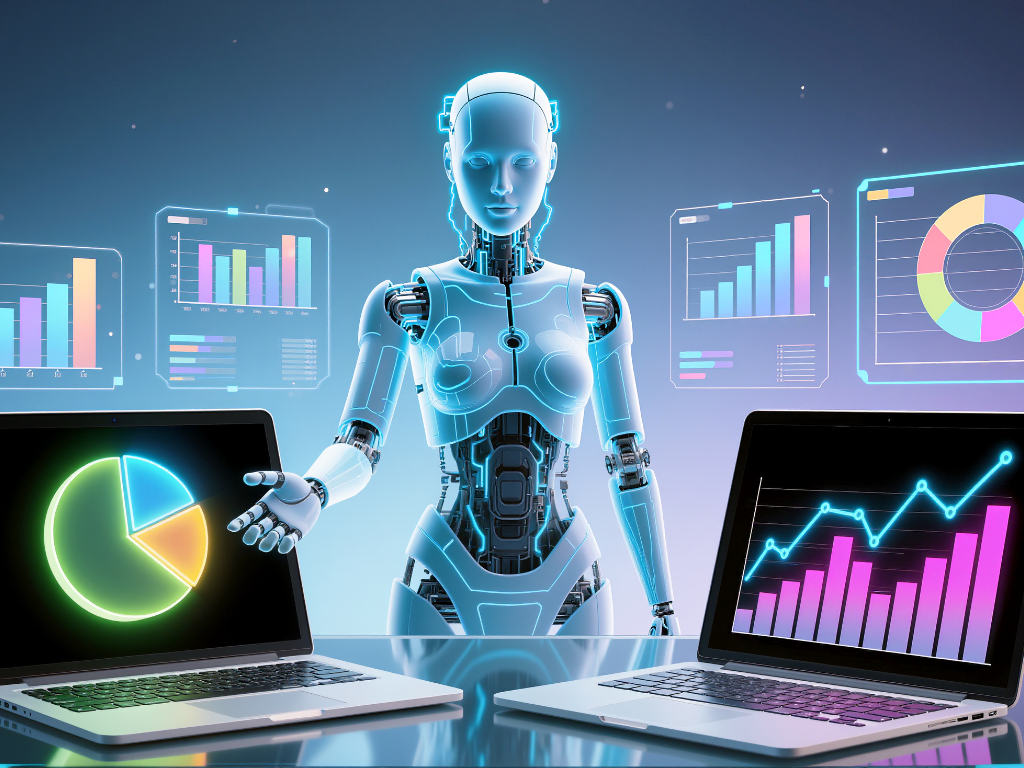
AI-driven tools are being piloted by universities, community colleges and online platforms to automate tasks like analyzing labor market trends, mapping academic standards and evaluating student performance. This enables a move from static syllabi to dynamic learning pathways that can be continuously refined, while also supporting personalized learning at scale for diverse student populations.
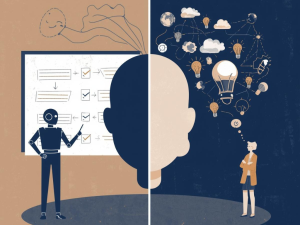
Importantly, AI does not replace human expertise, it complements it. Educators provide pedagogical insight, contextual judgment, and ethical oversight, while AI contributes speed, pattern recognition, and data-driven recommendations. Together, they form a partnership that allows institutions to build curricula that are efficient, engaging, inclusive, and future-ready, shaping the next generation of learning experiences.
What Is Meant by an AI-Generated Curriculum?
AI-generated curriculum refers to the use of artificial intelligence tools to assist in the design, development and continuous improvement of educational programs. Rather than fully automating curriculum creation, AI acts as a support system that works alongside educators, instructional designers and academic leaders to streamline complex academic tasks and inform sound instructional decisions.
In practical terms, AI processes large volumes of structured and unstructured data such as learning objectives, academic frameworks and historical learner performance to generate foundational course components. These may include draft syllabi, module outlines, learning pathways and assessment structures. Importantly, these outputs serve as starting points that educators can adapt and refine, rather than finalized instructional materials.
Does AI Replace Educators in Curriculum Design?
No AI-generated curriculum is designed to augment, not replace, human expertise. For US-based institutions, its value lies in supporting alignment with evolving workforce demands and competency-driven education models while preserving academic rigor and instructional intent.
Educators remain central to the process by defining pedagogical goals, reviewing AI-generated outputs and ensuring contextual relevance. This human-in-the-loop approach safeguards quality, mitigates inaccuracies and ensures that curricula reflect institutional standards and learner needs. By combining human judgment with machine efficiency, AI enables faster curriculum development, greater consistency and increased adaptability while keeping educators firmly in control of the learning experience.
How Does AI Co-Create Courses With Educators?
AI doesn’t replace teachers, it works alongside them to make curriculum development more efficient, personalized and data-driven. Here’s how it contributes across key areas:
- Content Generation : AI drafts lesson plans, module outlines and assessment materials, including quizzes and interactive resources. It can also suggest multimedia content like images, videos and audio clips, significantly reducing teacher workload while providing diverse learning materials.
- Personalization of Learning : AI adapts content based on individual student performance, learning pace and preferences. By recommending targeted resources and adjusting difficulty levels, it enables tailored learning pathways for each student.
- Feedback and Assessment : AI provides instant feedback on assignments and assessments, highlights areas where students struggle and assists with grading at scale. This allows educators to focus on deeper, qualitative insights into student learning.
- Administrative Support : AI automates repetitive tasks such as record-keeping, reporting, and compliance documentation. This frees up educators’ time for instructional planning and meaningful student engagement.
- Idea Generation and Instructional Design : AI acts as a brainstorming partner, offering suggestions for lesson activities, case studies, or scenario-based exercises. It supports creativity in course design while allowing teachers to refine and contextualize content.
- Continuous Curriculum Improvement : AI analyzes student performance data and course outcomes to recommend curriculum updates or highlight content gaps. This enables dynamic, responsive courses that evolve to meet changing educational and industry requirements.
How AI Enhances Learning Outcomes and Engagement
With educators taking on the role of curators and facilitators, AI’s integration into curriculum design is beginning to show measurable impacts on learning outcomes and student engagement. By automating repetitive and time-consuming tasks, AI allows instructors to focus on personalized instruction, mentoring, and fostering critical thinking. This shift makes classroom interactions richer, more meaningful, and tailored to each learner’s unique needs, enhancing both engagement and learning outcomes.
AI also creates a more adaptive learning environment. It monitors student progress in real time, identifies knowledge gaps, and recommends targeted interventions such as customized exercises, supplementary readings, or interactive simulations. This level of responsiveness, once difficult to achieve in large classes, is now feasible at scale without compromising instructional quality.
Moreover, AI-driven insights help educators continuously refine curricula based on performance and engagement patterns. By analyzing trends across assignments and classroom interactions, instructors can identify which content and teaching methods are most effective. This combination of human insight and machine intelligence supports evidence-based decisions, creating a dynamic, student-centered learning ecosystem that is more efficient, inclusive, and future-ready.
How Are Educators’ Roles Shifting in an AI-Assisted Classroom?
As AI becomes a core part of curriculum design, educators are moving from being sole content creators to strategic facilitators and learning curators. While AI handles routine tasks such as drafting lesson plans, generating quizzes, or analyzing performance data, teachers focus on areas where human judgment, pedagogy, and ethical oversight are essential. This shift allows educators to dedicate more time to fostering critical thinking, mentoring students, and creating engaging learning experiences.
- Content Curation and Validation : Educators guide AI-generated materials, reviewing and refining lesson plans, module outlines, and assessments to ensure accuracy, relevance, and alignment with learning objectives. They adapt content to suit diverse student needs, preserving instructional quality while leveraging AI efficiency.
- Personalized Learning Guidance : Teachers use AI insights to understand student strengths, weaknesses, and learning styles. By combining this data with professional judgment, they can provide individualized support, encourage deeper understanding, and design interventions that address specific gaps.
- Ethical Oversight and AI Literacy : Educators ensure AI tools are used responsibly, maintaining fairness, inclusivity, and academic integrity. They also help students develop AI literacy, teaching them to interact critically with technology and evaluate AI-generated content.
- Facilitating Higher-Order Learning : Freed from repetitive administrative and content-generation tasks, educators focus on fostering discussion, collaboration, problem-solving, and applied learning experiences that AI alone cannot deliver.
By redefining their role in this way, educators create a balanced partnership with AI, allowing technology to enhance efficiency and personalization while keeping learning human-centered. This evolution naturally sets the stage for AI’s impact on student engagement and improved learning outcomes, the next step in understanding AI’s role in modern education.
Improving Accessibility and Inclusion
AI-assisted curriculum development is opening new pathways for accessibility and inclusion in education. By leveraging machine intelligence, educators can design learning materials that accommodate students with diverse abilities, learning preferences, and cultural or linguistic backgrounds. For example, AI can generate multilingual content, provide alternative formats such as audio or video explanations, and create adaptive learning pathways that adjust to a student’s pace and comprehension level.
These capabilities are particularly valuable in US classrooms, which increasingly serve a diverse student population, including students with learning differences or those who require additional support. AI can help identify potential barriers to learning and suggest personalized interventions, making education more equitable and reducing the risk of students falling behind.
Furthermore, accessibility-focused AI tools support inclusivity by helping educators design curricula that consider a wide range of learner needs without adding significant workload. By automating the creation of adaptive and flexible resources, AI ensures that every student has an opportunity to engage with content in a way that suits them best. This integration of AI into curriculum design not only meets legal accessibility standards but also promotes a more inclusive, supportive, and effective learning environment.
Enhancing Student Engagement and Motivation
AI also plays a crucial role in boosting student engagement and motivation. Personalized learning pathways, adaptive difficulty levels, and real-time feedback allow students to interact with content that is tailored to their strengths, weaknesses and interests. This personalized approach keeps learners challenged without overwhelming them, fostering sustained curiosity and active participation.
Interactive and multimedia-rich content such as simulations, scenario-based exercises, and gamified modules makes learning more dynamic and immersive. AI can also track student progress, highlight areas that need improvement, and suggest resources or exercises to reinforce understanding. This continuous feedback loop helps learners feel supported and aware of their growth, increasing motivation and accountability.
In addition, AI enables educators to design collaborative and problem-based learning experiences at scale. By analyzing engagement data, teachers can identify which activities resonate most with students and refine future lessons for better impact. The combination of personalization, interactive content, and data-driven insights ensures that AI-powered curricula not only educate but also inspire, keeping learners actively involved in their own educational journey.
Key Benefits of AI-Assisted Curriculum Development
- Efficiency: Automates repetitive tasks such as content drafting, grading, and administrative work, freeing educators to focus on teaching and mentorship.
- Personalization: Adapts learning pathways to individual student needs, learning pace, and performance levels.
- Relevance: Enables rapid updates to curriculum content to reflect industry trends, workforce demands, and new academic standards.
- Engagement: Supports interactive, multimedia-rich, and gamified learning experiences that maintain student interest.
- Scalability: Allows high-quality, consistent curriculum delivery across large student populations without overburdening faculty.
- Data-Driven Insights: Provides actionable analytics on student progress, engagement patterns, and areas for improvement.
Supporting Continuous Assessment and Feedback
AI transforms assessment from a periodic checkpoint into a continuous, real-time process. By automatically grading assignments, quizzes and formative exercises, AI frees educators from repetitive administrative work while providing immediate insights into student performance. It identifies gaps in understanding, flags struggling learners, and recommends personalized interventions, allowing instructors to tailor instruction more effectively. Continuous feedback empowers students to monitor their own progress, make adjustments, and stay engaged in the learning process. Additionally, AI analytics help educators track class-wide trends and refine curriculum content over time, creating a dynamic, responsive learning environment that supports mastery and deeper understanding.
Challenges and Considerations
- Accuracy and Bias: AI-generated content can sometimes include inaccuracies or reflect unintended biases, requiring careful human review to maintain academic rigor.
- Over-Reliance on AI: Excessive dependence on AI tools may reduce opportunities for independent thinking, creativity and problem-solving among students.
- Faculty Readiness and Training: Educators need proper training in AI tools and workflows to use them effectively and confidently.
- Ethical and Pedagogical Oversight: Ensuring fairness, inclusivity, and alignment with institutional standards requires ongoing human judgment and oversight.
Real-World Use Cases and Emerging Examples
AI-assisted curriculum design is already being piloted in universities and EdTech platforms across the US. Some institutions use AI to co-create syllabi and learning pathways, integrating labor market insights and student performance data to ensure programs are relevant and up to date. EdTech companies deploy AI for scenario-based simulations, microlearning modules, and adaptive learning experiences that adjust difficulty based on real-time student progress. In continuing education and professional development, AI enables rapid customization of content to meet specific learner goals, while providing educators with data-driven insights to refine instruction. These examples demonstrate that AI can enhance efficiency, engagement and personalization without replacing the human educator.
Preparing Students for AI-Literate Futures
As AI becomes a standard part of the learning ecosystem, it is critical that students develop the skills to interact with these tools effectively and responsibly. AI literacy involves understanding how algorithms generate content, recognizing potential biases, and evaluating the credibility of machine-assisted outputs. By integrating AI literacy into curricula, educators prepare students for modern workplaces where AI tools are ubiquitous. This includes fostering problem-solving, critical thinking, and digital ethics, ensuring learners can leverage AI to enhance productivity while maintaining sound judgment. Students who are AI-literate are better equipped to navigate complex, technology-driven environments and contribute meaningfully in their careers.
Conclusion: A Symbiotic Future for Education
The integration of AI into curriculum development is transforming education. Rather than replacing educators, AI acts as a collaborator streamlining routine tasks, personalizing learning, and providing data-driven insights while educators remain curators, facilitators and ethical guides, ensuring content aligns with pedagogical goals and student needs.
This partnership allows teachers to focus on higher-order instruction fostering critical thinking, creativity, collaboration, and emotional intelligence while AI handles content generation, assessment, and real-time analytics. Students benefit from adaptive, engaging learning experiences tailored to their pace and skill level, enabling mastery of complex concepts.
By incorporating AI literacy into curricula, students learn to critically evaluate intelligent tools, apply digital ethics, and develop skills essential for a workforce increasingly shaped by AI. The future of education lies in balance: human insight guiding machine intelligence, creating a more effective, inclusive, and future-ready learning ecosystem.
FAQs
Q1. How much training do educators need to effectively use AI in curriculum design?
Most educators need basic digital literacy and short training sessions on AI workflows. Institutions often provide tutorials and ongoing support to ensure smooth integration.
Q2. Can AI-generated curricula be fully trusted for accuracy and alignment with accreditation standards?
AI provides drafts and suggestions, but human review is essential to ensure content is accurate, pedagogically sound, and compliant with standards.
Q3. What costs or resources are associated with implementing AI tools in higher education?
Costs include licensing fees, staff training, and IT infrastructure, though these are often offset by efficiency gains and scalable personalized learning.
Q4. How does AI support collaboration between multiple educators or departments in curriculum planning?
AI centralizes curriculum data and insights, allowing teams to coordinate updates, maintain consistency, and refine courses collaboratively.
Q5. Are there long-term studies showing the impact of AI-assisted curricula on student performance?
Early research shows AI can improve engagement, personalization, and retention, with ongoing studies tracking long-term learning and career outcomes.